Mouse anti-Human sapiens (Human) GDF15 Monoclonal Antibody

Mouse anti-Human sapiens (Human) GDF15 Monoclonal Antibody — Hormone produced in response to various stresses to confer information about those stresses to the brain, and trigger an aversive response, characterized by nausea, vomiting, and/or loss of appetite.

SKU: BCREC-000981MA Category:

Product Specifications

Uniprot No.Q99988
Target NamesGDF15
Species Reactivitymouse
ImmunogenRecombinant GDF15 Protein
Immunogen SpeciesHomo sapiens (Human)
ConjugateNon-conjugated
IsotypeIgG2a
ClonalityMonoclonal
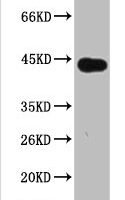
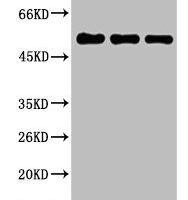
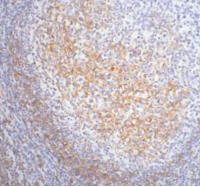
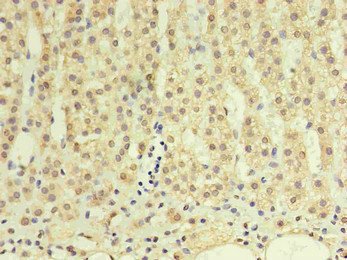
ApplicationsELISA,IHC
BufferPBS, 50% glycerol, 0.05% Proclin 300, 0.05%BSA
StorageUpon receipt, store at -20°C or -80°C. Avoid repeated freeze.

Function

Hormone produced in response to various stresses to confer information about those stresses to the brain, and trigger an aversive response, characterized by nausea, vomiting, and/or loss of appetite. The aversive response is both required to reduce continuing exposure to those stresses at the time of exposure and to promote avoidance behavior in the future. Acts by binding to its receptor, GFRAL, activating GFRAL-expressing neurons localized in the area postrema and nucleus tractus solitarius of the brainstem.

Biological Context

Subcellular Location: Secreted
Tissue Specificity: Detected in plasma (at protein level). Highly expressed in placenta, with lower levels in prostate and colon and some expression in kidney
Disease Association: Hyperemesis gravidarum (HG) : An autosomal dominant condition characterized by severe nausea and vomiting in pregnancy. It occurs in up to 2% of pregnancies and leads to significant weight loss, dehydration, electrolyte imbalance, and ketonuria. It is associated with both maternal and fetal morbidity. [Disease susceptibility is associated with variants affecting the gene represented in this entry]

Product Specifications

Mouse anti-Human sapiens (Human) GDF15 Monoclonal Antibody is a recombinant protein. Suitable for ELISA and Western Blot applications.

SDS-PAGE: Single band at expected molecular weight confirming purity.

ELISA: Suitable as coating antigen or detection standard.

Western Blot: Compatible with standard Western Blot protocols.

Protein Interaction: Validated for SPR (Surface Plasmon Resonance) and BLI (Bio-Layer Interferometry) studies.

Shipping: Shipped at ambient temperature. Lyophilized protein is stable during transit.

Storage: Store lyophilized protein at -20°C to -80°C. Reconstituted protein should be aliquoted and stored at -80°C. Avoid repeated freeze-thaw cycles.

Shelf Life: 12 months from date of receipt when stored as recommended.

Shipping Time: Orders placed before 2 PM EST ship same day. International orders typically deliver within 5-10 business days.

Protein Biology

Function

Hormone produced in response to various stresses to confer information about those stresses to the brain, and trigger an aversive response, characterized by nausea, vomiting, and/or loss of appetite (PubMed:23468844, PubMed:24971956, PubMed:28846097, PubMed:28846098, PubMed:28846099, PubMed:28953886, PubMed:29046435, PubMed:30639358, PubMed:31875646, PubMed:33589633, PubMed:38092039). The aversive response is both required to reduce continuing exposure to those stresses at the time of exposure and to promote avoidance behavior in the future (PubMed:30639358, PubMed:33589633, PubMed:38092039). Acts by binding to its receptor, GFRAL, activating GFRAL-expressing neurons localized in the area postrema and nucleus tractus solitarius of the brainstem (PubMed:28846097, PubMed:28846098, PubMed:28846099, PubMed:28953886, PubMed:31535977). It then triggers the activation of neurons localized within the parabrachial nucleus and central amygdala, which constitutes part of the 'emergency circuit' that shapes responses to stressful conditions (PubMed:28953886). The GDF15-GFRAL signal induces expression of genes involved in metabolism, such as lipid metabolism in adipose tissues (PubMed:31402172). Required for avoidance behavior in response to food allergens: induced downstream of mast cell activation to promote aversion and minimize harmful effects of exposure to noxious substances (By similarity). In addition to suppress appetite, also promotes weight loss by enhancing energy expenditure in muscle: acts by increasing calcium futile cycling in muscle (By similarity). Contributes to the effect of metformin, an anti-diabetic drug, on appetite reduction and weight loss: produced in the kidney in response to metformin treatment, thereby activating the GDF15-GFRAL response, leading to reduced appetite and weight (PubMed:31875646, PubMed:37060902). The contribution of GDF15 to weight loss following metformin treatment is however limited and subject to discussion (PubMed:36001956). Produced in response to anticancer drugs, such as camptothecin or cisplatin, promoting nausea, vomiting and contributing to malnutrition (By similarity). Overproduced in many cancers, promoting anorexia in cancer (cachexia) (PubMed:32661391). Responsible for the risk of nausea and vomiting during pregnancy: high levels of GDF15 during pregnancy, mostly originating from the fetus, are associated with increased nausea and vomiting (PubMed:38092039). Maternal sensitivity to nausea is probably determined by pre-pregnancy exposure to GDF15, women with naturally high level of GDF15 being less susceptible to nausea than women with low levels of GDF15 before pregnancy (PubMed:38092039). Promotes metabolic adaptation in response to systemic inflammation caused by bacterial and viral infections in order to promote tissue tolerance and prevent tissue damage (PubMed:31402172). Required for tissue tolerance in response to myocardial infarction by acting as an inhibitor of leukocyte integring activation, thereby protecting against cardiac rupture (By similarity). Inhibits growth hormone signaling on hepatocytes (By similarity)

Subcellular Location

Secreted

Disease Association

Hyperemesis gravidarum (HG) : An autosomal dominant condition characterized by severe nausea and vomiting in pregnancy. It occurs in up to 2% of pregnancies and leads to significant weight loss, dehydration, electrolyte imbalance, and ketonuria. It is associated with both maternal and fetal morbidity. [Disease susceptibility is associated with variants affecting the gene represented in this entry]

Tissue Specificity

Detected in plasma (at protein level) (PubMed:28572090, PubMed:29046435). Highly expressed in placenta, with lower levels in prostate and colon and some expression in kidney (PubMed:37060902, PubMed:9348093)

Subunit

Homodimer; disulfide-linked (PubMed:29046435, PubMed:31535977). Interacts with GFRAL and RET; ligand of GFRAL, which mediates GDF15 internalization and cellular signaling through interaction with RET via the formation of a 2:2:2 ternary complex composed of GDF15, GFRAL and RET (PubMed:28846097, PubMed:28846098, PubMed:28846099, PubMed:28953886, PubMed:31535977)

Gene: GDF15  |  Organism: Homo sapiens  |  Synonyms: Macrophage inhibitory cytokine 1; NSAID-activated gene 1 protein; NSAID-regulated gene 1 protein; Placental TGF-beta; Placental bone morphogenetic protein; Prostate differentiation factor
Key Publications

Frequently Asked Questions

How do I order or inquire about this product?

Fill out the Online Inquiry form with your required quantity and specifications. You can also email sales@biocrestsci.com. Our team typically responds within 4 business hours with a quote and availability confirmation.

What is the shipping and delivery time?

Orders placed before 2 PM EST ship the same day. Domestic (US) delivery typically takes 2-3 business days. International orders deliver within 5-10 business days. All products are shipped at ambient temperature with appropriate packaging to ensure stability.

How should I store this recombinant protein?

Lyophilized proteins should be stored at -20°C to -80°C upon receipt. After reconstitution, aliquot and store at -80°C. Avoid repeated freeze-thaw cycles. Shelf life is 12 months from date of receipt when stored as recommended.

What quality controls are performed on your products?

Each product undergoes SDS-PAGE purity analysis (typically >85-95%), endotoxin testing, and bioactivity validation. Products are validated for ELISA, Western Blot, and SPR/BLI applications as specified on this product page. A Certificate of Analysis (CoA) is available upon request.

Shopping Cart
Scroll to Top