
High-Purity Chemokines & Receptors for Research
BioCrest Sci provides 180+ high-purity recombinant chemokines and receptors to support cell migration, inflammation, and immuno-oncology research. Our collection covers all major subfamilies — CC, CXC, XC, and CX3C chemokines — expressed in E.coli and mammalian systems with purity greater than 90%.
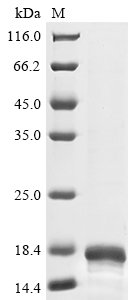
Every chemokine protein is quality-controlled by SDS-PAGE purity analysis and endotoxin testing. Products are available in multiple tag options (His, Fc, Myc, tag-free) and delivered with a Certificate of Analysis.
What Are Chemokines?
Chemokines (chemotactic cytokines) are a specialized family of small signaling proteins, typically 8-14 kDa, that direct leukocyte migration along concentration gradients. This chemotactic function is central to immune surveillance, inflammation, lymphocyte homing, and tumor microenvironment biology.
Chemokines signal through G-protein-coupled receptors (GPCRs) expressed on target cells. The chemokine system includes approximately 50 ligands and 20 receptors, making it one of the largest cytokine subfamilies. Dysregulated chemokine signaling is implicated in autoimmune diseases, chronic inflammation, cancer metastasis, and infectious diseases — including HIV entry via CCR5 and CXCR4.
Classification of Chemokines
Chemokines are classified into four subfamilies based on the arrangement of conserved N-terminal cysteine residues:
CC Chemokines (CCL1–CCL28)
Two adjacent cysteines. CC chemokines primarily attract monocytes, lymphocytes, basophils, and eosinophils. Key members: CCL2 (MCP-1) — monocyte recruitment, heavily studied in tumor microenvironment research; CCL3/CCL4 (MIP-1α/β) — macrophage inflammatory proteins; CCL5 (RANTES) — T cell and monocyte chemotaxis; CCL11 (Eotaxin) — eosinophil recruitment in allergy research.
CXC Chemokines (CXCL1–CXCL17)
One amino acid between cysteines. CXC chemokines primarily attract neutrophils and lymphocytes. Key members: CXCL8 (IL-8) — the prototypic neutrophil chemoattractant, major drug target; CXCL12 (SDF-1) — hematopoietic stem cell homing via CXCR4; CXCL10 (IP-10) — Th1 responses and anti-tumor immunity; CXCL1 (GRO-α) — angiogenesis and tumor growth.
XC Chemokines (XCL1, XCL2)
Single cysteine. XCL1 (lymphotactin) attracts T cells and NK cells through the XCR1 receptor — a marker of cross-presenting dendritic cells.
CX3C Chemokines (CX3CL1)
Three amino acids between cysteines. CX3CL1 (fractalkine) exists in membrane-bound and soluble forms, mediating both adhesion and chemotaxis of monocytes and microglia.
Applications of Chemokines in Research & Drug Development
- Cell migration assays: Transwell chemotaxis assays using CCL2, CCL5, CXCL8, and CXCL12 as chemoattractants
- Immuno-oncology: Tumor microenvironment characterization; CXCL12/CXCR4 axis and CCL2/CCR2 axis as therapeutic targets
- Autoimmune disease: Chemokine profiling in rheumatoid arthritis, multiple sclerosis, and IBD models
- Infectious disease: HIV co-receptor research (CCR5, CXCR4); COVID-19 cytokine storm studies
- Receptor binding studies: SPR/BLI analysis of chemokine-receptor interactions
Why Choose BioCrest Sci Chemokines
- Extensive selection: 180+ chemokines and receptors covering all four subfamilies
- High purity: Greater than 90% purity by SDS-PAGE with low endotoxin levels
- Multiple expression systems: E.coli and mammalian expression options
- Flexible formats: His, Fc, tag-free, lyophilized or liquid
- Fast worldwide shipping: Same-day dispatch for orders before 2 PM EST
Explore the complete collection at the Chemokines product page or contact sales@biocrestsci.com for expert guidance on selecting the right chemokine for your migration assay.