
High-Purity Growth Factors & Receptors for Research
BioCrest Sci provides 250+ high-purity recombinant growth factors and receptors to support stem cell culture, organoid research, regenerative medicine, and oncology studies. Our collection covers EGF, FGF, VEGF, IGF, TGF-β, PDGF, and neurotrophin families — expressed in E.coli, yeast, and mammalian systems with purity greater than 90%.
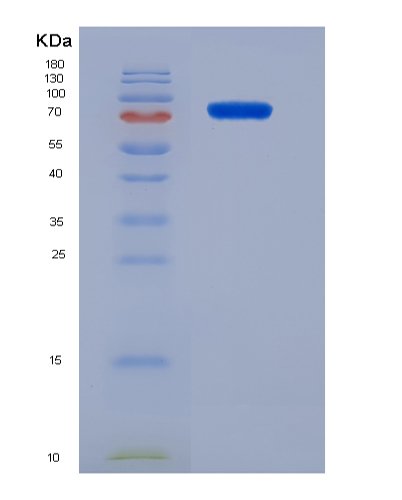
Every growth factor is quality-controlled by SDS-PAGE purity analysis, endotoxin testing, and cell-based bioactivity validation where applicable. Products are available in multiple tag options (His, Fc, Myc, tag-free) and delivered with a Certificate of Analysis.
What Are Growth Factors?
Growth factors are secreted signaling proteins that stimulate cell proliferation, differentiation, survival, and migration. Unlike hormones, growth factors typically act locally (paracrine or autocrine signaling) through high-affinity cell-surface receptors. They are indispensable reagents for cell culture, stem cell biology, tissue engineering, and cancer research.
Growth factor signaling pathways — including MAPK/ERK, PI3K/AKT, and JAK-STAT — are among the most intensively studied in biology. Dysregulation of growth factor signaling drives many cancers and developmental disorders, making recombinant growth factors essential tools for both basic research and drug discovery.
Major Growth Factor Families
EGF Family
EGF, TGF-α, HB-EGF, and amphiregulin signal through EGFR (ErbB1). EGF is essential for epithelial cell culture and is a standard supplement in organoid media. EGFR is one of the most validated oncology drug targets.
FGF Family
22 members including FGF-2 (bFGF) — a core component of stem cell maintenance media; FGF-7 (KGF) — epithelial cell growth; FGF-21 — metabolic regulation. FGFs are essential for induced pluripotent stem cell (iPSC) and neural stem cell culture.
VEGF Family
VEGF-A, VEGF-B, VEGF-C, VEGF-D, and PlGF regulate angiogenesis and lymphangiogenesis. VEGF-A is the target of bevacizumab (Avastin) and related anti-angiogenic therapies. Recombinant VEGF is widely used in endothelial cell tube formation assays.
IGF Family
IGF-1 and IGF-2 regulate growth, metabolism, and cell survival via the IGF-1R receptor. IGF-1 is a standard supplement in serum-free cell culture media and chondrocyte culture.
TGF-β Superfamily
TGF-β1/2/3, BMPs, activins, and GDFs regulate development, fibrosis, and immune tolerance. TGF-β1 is central to Treg differentiation (with IL-2) and epithelial-mesenchymal transition (EMT) research.
Neurotrophins
NGF, BDNF, NT-3, and NT-4 support neuronal survival, differentiation, and synaptic plasticity. BDNF is heavily studied in neurodegenerative disease and depression research.
Applications in Research & Medicine
- Stem cell culture: FGF-2 and EGF for pluripotent stem cell maintenance; BDNF and GDNF for neural differentiation
- Organoid research: EGF, Noggin, R-spondin, and Wnt for intestinal organoids; FGF-10 for lung organoids
- Angiogenesis assays: VEGF-A for endothelial cell tube formation and migration assays
- Cancer research: Growth factor receptor signaling, EMT studies, and drug resistance screening
- Regenerative medicine: BMP-2 for osteogenesis; TGF-β3 for chondrogenesis
Why Choose BioCrest Sci Growth Factors
- Extensive selection: 250+ growth factors and receptors covering all major families, from human, mouse, rat, and 50+ species
- High purity & bioactivity: Greater than 90% purity by SDS-PAGE; active proteins validated in cell-based assays
- Multiple expression systems: E.coli, yeast, insect, and mammalian systems
- Flexible formats: His, Fc, tag-free, lyophilized or liquid, carrier-free options for in vivo work
- Fast worldwide shipping: Same-day dispatch for orders before 2 PM EST
Explore the complete collection at the Growth Factors product page or contact sales@biocrestsci.com for help selecting the right growth factor for your cell culture protocol.