
High-Purity Immune Checkpoint Proteins
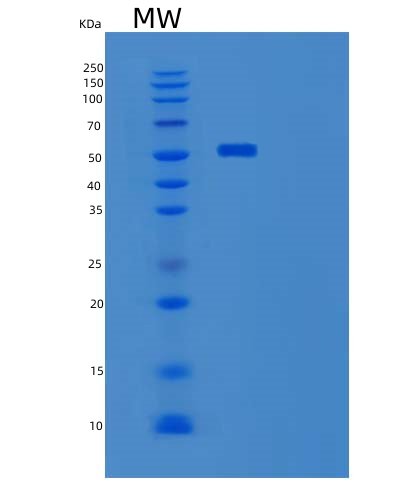
BioCrest Sci provides 21 high-purity recombinant immune checkpoint proteins — PD-1, PD-L1, CTLA-4, LAG-3, TIM-3, TIGIT and more — for antibody screening, binding assays, and immuno-oncology drug discovery. Purity greater than 90%.
What Are Immune Checkpoint Proteins?
Immune checkpoints are inhibitory (or stimulatory) receptor-ligand pairs that regulate T cell activation. Cancer cells exploit inhibitory checkpoints to evade immune destruction — blocking these interactions with antibodies (checkpoint inhibitors) has revolutionized cancer therapy, starting with anti-CTLA-4 (ipilimumab) and anti-PD-1 (pembrolizumab, nivolumab).
Key Checkpoint Targets
PD-1 / PD-L1 Axis
The most clinically validated checkpoint. PD-1 on T cells binds PD-L1 on tumor cells to suppress anti-tumor immunity. Recombinant PD-1 and PD-L1 are essential for inhibitor screening, SPR binding assays, and cell-based blockade assays.
CTLA-4
CTLA-4 competes with CD28 for B7 ligands, attenuating early T cell activation. Anti-CTLA-4 therapy is standard in melanoma; combination CTLA-4/PD-1 blockade achieves deep responses across tumor types.
Next-Generation Targets: LAG-3, TIM-3, TIGIT
LAG-3 (relatlimab approved 2022), TIM-3, and TIGIT represent the next wave of checkpoint targets. Recombinant proteins for all three enable bispecific antibody screening and resistance mechanism studies.
Applications
- Checkpoint inhibitor screening and potency assays
- Bispecific antibody binding studies
- Biomarker research in clinical samples
- Combination therapy mechanism studies
Explore the complete Immune Checkpoint collection or contact sales@biocrestsci.com.