Function
Catalyzes the hydroxylation of L-phenylalanine to L-tyrosine.
Biological Context
Disease Association: Phenylalanine hydroxylase deficiency (PAH deficiency) : An autosomal recessive inborn error of phenylalanine metabolism characterized by intolerance to dietary intake of the essential amino acid phenylalanine. The disease spectrum depends on the degree of PAH deficiency and the phenylalanine levels in plasma. Severe deficiency causes classic phenylketonuria (PKU) that is characterized by plasma concentrations of phenylalanine persistently above 1200 umol/L. PKU patients develop profound and irreversible intellectual disability, unless low phenylalanine diet is introduced early in life. They tend to have light pigmentation, rashes similar to eczema, epilepsy, extreme hyperactivity, psychotic states and an unpleasant 'mousy' odor. Less severe forms of PAH deficiency are characterized by phenylalanine levels above normal (120 umol/L) but below 1200 umol/L and include moderate PKU, mild PKU, non-PKU hyperphenylalaninemia (non-PKU HPA) and mild hyperphenylalaninemia. Individuals with PAH deficiency who have plasma phenylalanine concentrations consistently below 600 umol/L on an unrestricted diet are not at higher risk of developing intellectual, neurologic, and neuropsychological impairment than are individuals without PAH deficiency. [The disease is caused by variants affecting the gene represented in this entry]
Pathway: Amino-acid degradation; L-phenylalanine degradation; acetoacetate and fumarate from L-phenylalanine: step 1/6
Product Specifications
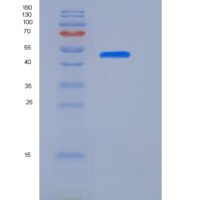
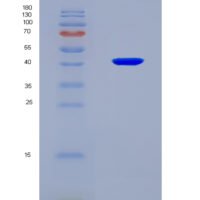
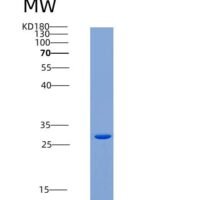
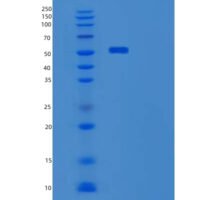
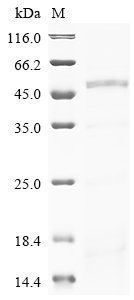
Recombinant Human Phenylalanine-4-hydroxylase (PAH) is a recombinant protein from Homo sapiens (Human), expressed in E.coli, covering amino acids 2-452aa, with Tag-Free tag, molecular weight 51.9kDa, purity Greater than 90% as determined by SDS-PAGE.. Suitable for ELISA and Western Blot applications.