Function
Transcriptional repressor which forms a core component of the circadian clock. The circadian clock, an internal time-keeping system, regulates various physiological processes through the generation of approximately 24 hour circadian rhythms in gene expression, which are translated into rhythms in metabolism and behavior. It is derived from the Latin roots 'circa' (about) and 'diem' (day) and acts as an important regulator of a wide array of physiological functions including metabolism, sleep, body temperature, blood pressure, endocrine, immune, cardiovascular, and renal function.
Biological Context
Subcellular Location: Cytoplasm; Nucleus
Tissue Specificity: Expression in the retina is restricted to the photoreceptor layer (at protein level). Expressed in all tissues examined including heart, brain, spleen, lung, liver, skeletal muscle, kidney and testis. Weak expression in spleen
Product Specifications
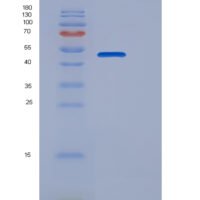
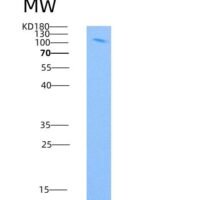
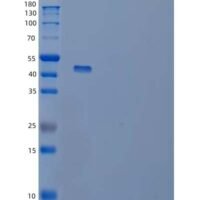
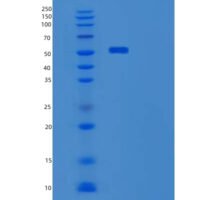
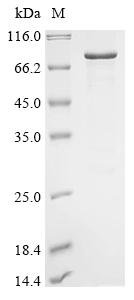
Recombinant Mouse Cryptochrome-2 (Cry2) is a recombinant protein from Mus musculus (Mouse), expressed in E.coli, covering amino acids 1-592aa, with N-terminal 10xHis-tagged and C-terminal Myc-tagged tag, molecular weight 74.3kDa, purity Greater than 85% as determined by SDS-PAGE.. Suitable for ELISA and Western Blot applications.