
High-Purity Colony-Stimulating Factors
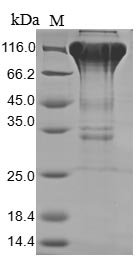
BioCrest Sci provides 36 high-purity recombinant colony-stimulating factors — G-CSF, GM-CSF, M-CSF, and their receptors — for hematopoietic stem cell, myeloid cell, and immuno-oncology research. Purity greater than 90%.
What Are Colony-Stimulating Factors?
Colony-stimulating factors (CSFs) are cytokines that drive the proliferation and differentiation of hematopoietic progenitor cells into mature myeloid lineages. They were named for their ability to stimulate colony formation in semi-solid bone marrow cultures — a classic assay still used today.
Key CSFs and Their Functions
G-CSF (CSF3)
Granulocyte colony-stimulating factor drives neutrophil production and mobilization. Recombinant G-CSF (filgrastim, pegfilgrastim) is a blockbuster drug for chemotherapy-induced neutropenia. Essential reagent for neutrophil biology and mobilization studies.
GM-CSF (CSF2)
Granulocyte-macrophage CSF stimulates granulocyte and macrophage production, and is the standard cytokine for monocyte-derived dendritic cell (moDC) generation in immunotherapy research.
M-CSF (CSF1)
Macrophage CSF is required for macrophage survival and differentiation. M-CSF-differentiated macrophages are the workhorse model for tumor-associated macrophage (TAM) research, and CSF1R inhibitors are in clinical development.
Applications
- Hematopoietic stem cell expansion and lineage differentiation
- Bone marrow colony-forming unit (CFU) assays
- Monocyte-derived dendritic cell generation
- Tumor-associated macrophage research
Explore the complete CSF collection or contact sales@biocrestsci.com.