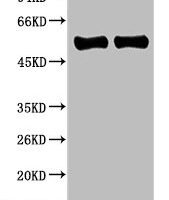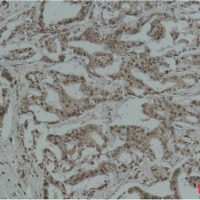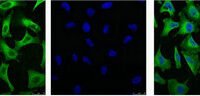
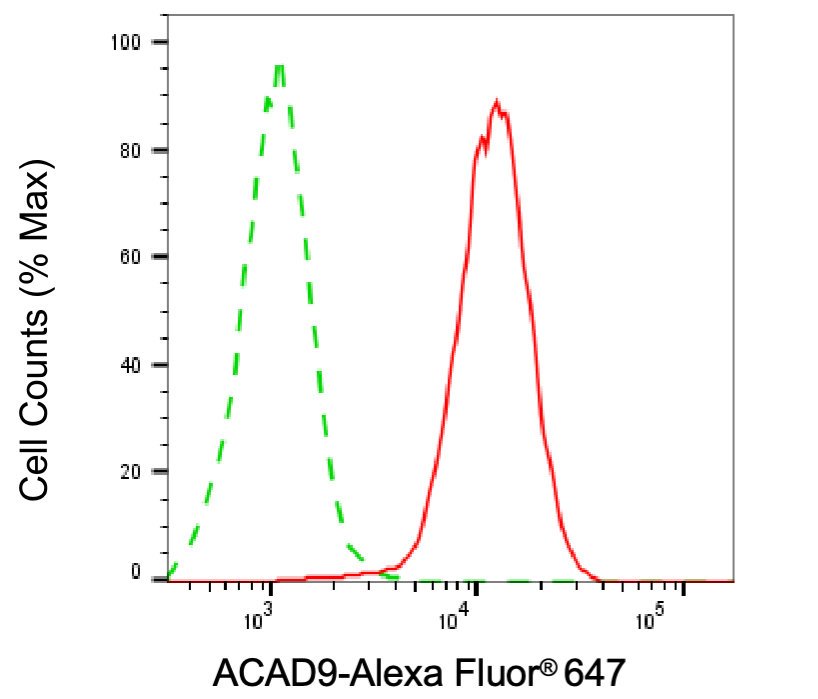


Function
Together with NDUFAF1 and ECSIT, forms part of the mitochondrial complex I (MCIA),which is required for the biogenesis of respiratory Complex I (CI) and is therefore crucial for the activation of the oxidative phosphorylation system. ECSIT binding triggers a large conformational change, switching ACAD9 from a fatty acid oxidation (FAO) enzyme to a CI assembly factor. The function in CI assembly is independent of the fatty acid oxidation (FAO) activity of the protein.
Biological Context
Subcellular Location: Mitochondrion inner membrane (Peripheral membrane protein)
Tissue Specificity: Ubiquitously expressed in most normal human tissues and cancer cell lines with higher levels in heart, skeletal muscles, and the central nervous system (where it is the highest expressed ACAD). Highly expressed (at protein level) in the cerebellum (Purkinje neurons, dentate nucleus, and in the granular layer), where ACADV is not found
Disease Association: Mitochondrial complex I deficiency, nuclear type 20 (MC1DN20) : An autosomal recessive metabolic disorder associated with mitochondrial complex I deficiency, resulting in multisystemic and variable manifestations. Clinical features include infantile onset of acute metabolic acidosis, Reye-like episodes (brain edema and vomiting that may rapidly progress to seizures, coma and death), exercise intolerance, hypertrophic cardiomyopathy, liver failure, muscle weakness, and neurologic dysfunction. [The disease is caused by variants affecting the gene represented in this entry]
Product Specifications
Mouse anti-Human/Mouse/Rat sapiens (Human) ACAD9 Monoclonal Antibody is a recombinant protein. Suitable for ELISA and Western Blot applications. Explore more Antibody products →