

Function
Binds specifically to calcyclin in a calcium-dependent manner. Required for midbody formation and completion of the terminal phase of cytokinesis.
Biological Context
Subcellular Location: Cytoplasm; Melanosome; Nucleus envelope; Nucleus, nucleoplasm; Cytoplasm, cytoskeleton, spindle
Disease Association: Amyotrophic lateral sclerosis 23 (ALS23) : A form of amyotrophic lateral sclerosis, a neurodegenerative disorder affecting upper motor neurons in the brain and lower motor neurons in the brain stem and spinal cord, resulting in fatal paralysis. Sensory abnormalities are absent. The pathologic hallmarks of the disease include pallor of the corticospinal tract due to loss of motor neurons, presence of ubiquitin-positive inclusions within surviving motor neurons, and deposition of pathologic aggregates. The etiology of amyotrophic lateral sclerosis is likely to be multifactorial, involving both genetic and environmental factors. The disease is inherited in 5-10% of the cases. ALS23 is an autosomal dominant form with incomplete penetrance. [The disease is caused by variants affecting the gene represented in this entry] | Inclusion body myopathy and brain white matter abnormalities (IBMWMA) : An autosomal dominant, adult-onset disorder characterized predominantly by proximal limb girdle muscle weakness affecting the lower and upper limbs and resulting in gait difficulties and scapular winging. Additional features may include dysarthria, dysphagia, low back pain, and hyporeflexia. Muscle biopsy shows fiber type variation, internal nuclei, rimmed vacuoles, and cytoplasmic protein aggregates or inclusions. Cognitive impairment or frontotemporal dementia occurs in some patients. [The gene represented in this entry is involved in disease pathogenesis]
Product Specifications
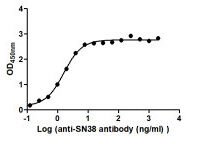
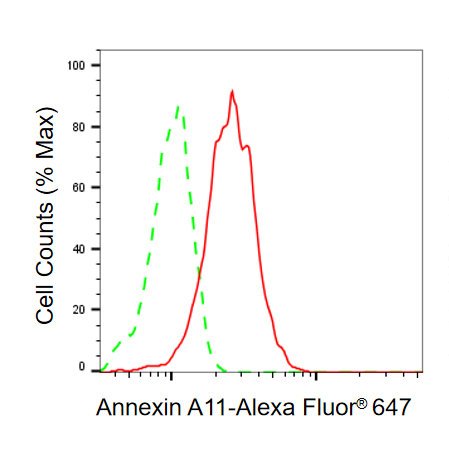
Mouse anti-Human/Mouse/Rat sapiens (Human) ANXA11 Monoclonal Antibody is a recombinant protein. Suitable for ELISA and Western Blot applications. Explore more Antibody products →