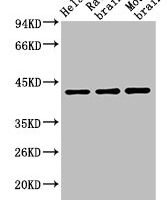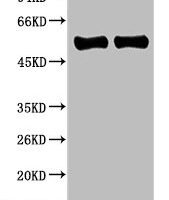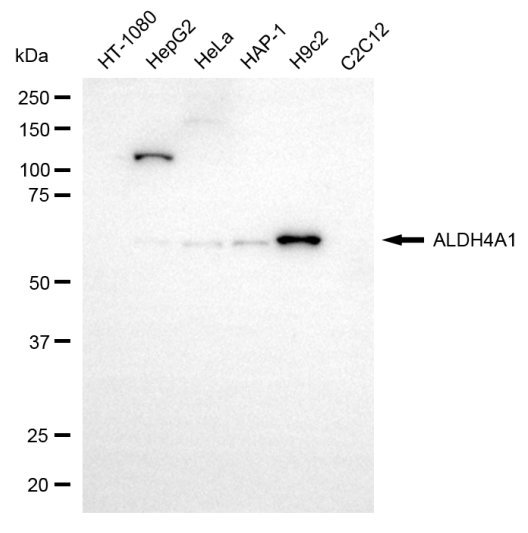
Function
Irreversible conversion of delta-1-pyrroline-5-carboxylate (P5C), derived either from proline or ornithine, to glutamate. This is a necessary step in the pathway interconnecting the urea and tricarboxylic acid cycles. The preferred substrate is glutamic gamma-semialdehyde, other substrates include succinic, glutaric and adipic semialdehydes.
Biological Context
Subcellular Location: Mitochondrion matrix
Tissue Specificity: Highest expression is found in liver followed by skeletal muscle, kidney, heart, brain, placenta, lung and pancreas
Disease Association: Hyperprolinemia 2 (HYRPRO2) : An inborn error of proline metabolism resulting in elevated plasma levels of proline and delta-1-pyrroline-5-carboxylate (P5C). The condition is considered to be benign, but affected individuals can exhibit neurological manifestations that vary in severity. Clinical signs include seizures, intellectual deficit and mild developmental delay. [The disease is caused by variants affecting the gene represented in this entry]
Pathway: Amino-acid degradation; L-proline degradation into L-glutamate; L-glutamate from L-proline: step 2/2
Product Specifications
Mouse anti-Human/Rat sapiens (Human) ALDH4A1 Monoclonal Antibody is a recombinant protein. Suitable for ELISA and Western Blot applications. Explore more Antibody products →