

Function
(Microbial infection) Acts as a receptor for hepatitis C virus (HCV) in hepatocytes and facilitates its cell entry. Mediates HCV entry by promoting the formation of the CD81-CLDN1 receptor complexes that are essential for HCV entry and by enhancing membrane fusion of cells expressing HCV envelope glycoproteins.
Biological Context
Subcellular Location: Secreted
Tissue Specificity: Ubiquitously expressed. Isoform 2 is also expressed in ovarian cancers
Disease Association: Lung cancer (LNCR) : A common malignancy affecting tissues of the lung. The most common form of lung cancer is non-small cell lung cancer (NSCLC) that can be divided into 3 major histologic subtypes: squamous cell carcinoma, adenocarcinoma, and large cell lung cancer. NSCLC is often diagnosed at an advanced stage and has a poor prognosis. [The gene represented in this entry is involved in disease pathogenesis] | Neonatal nephrocutaneous inflammatory syndrome (NNCIS) : An autosomal recessive disorder characterized by intrauterine growth retardation, premature birth, fragile skin, recurrent skin infections and sepsis, failure to thrive, nephrocalcinosis, and nephromegaly with tubular dysfunction. Some patients have chronic diarrhea, and necrotizing enterocolitis. [The disease is caused by variants affecting the gene represented in this entry]
Product Specifications
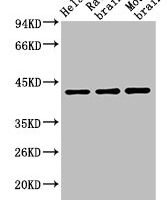
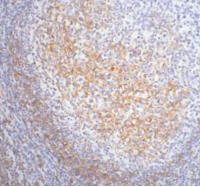
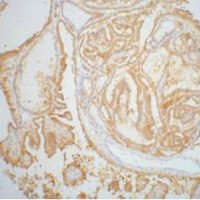
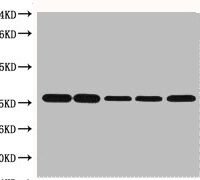
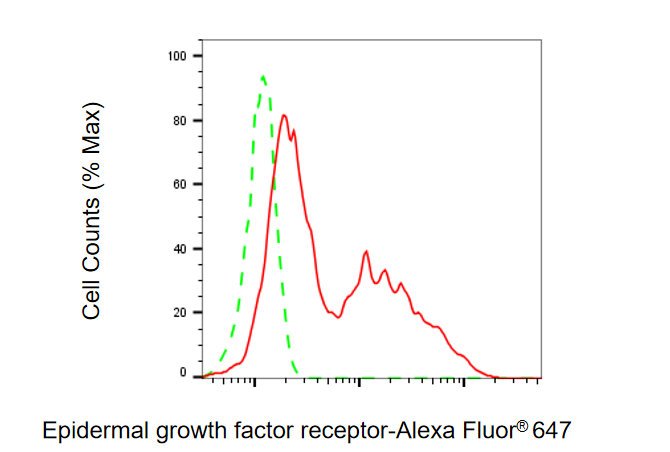
Mouse anti-Human sapiens (Human) EGFR Monoclonal Antibody is a recombinant protein. Suitable for ELISA and Western Blot applications. Explore more Growth Factor proteins →
Catalog number: BCREC-000836MA.