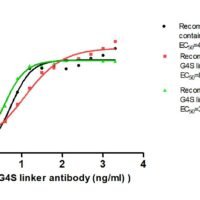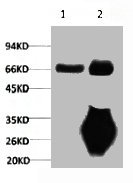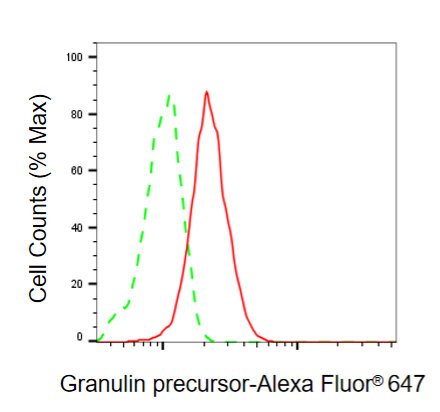


Function
Stabilizes CTSD through interaction with CTSD leading to maintain its aspartic-type peptidase activity.
Biological Context
Subcellular Location: Secreted; Lysosome
Tissue Specificity: In myelogenous leukemic cell lines of promonocytic, promyelocytic, and proerythroid lineage, in fibroblasts, and very strongly in epithelial cell lines. Present in inflammatory cells and bone marrow. Highest levels in kidney
Disease Association: Frontotemporal dementia 2 (FTD2) : A form of dementia characterized by pathologic finding of frontotemporal lobar degeneration, presenile dementia with behavioral changes, deterioration of cognitive capacities and loss of memory. Gestural apraxia, parkinsonism, visual loss, and visual hallucinations are present in 25 to 40% of patients. [The disease is caused by variants affecting the gene represented in this entry] | Ceroid lipofuscinosis, neuronal, 11 (CLN11) : A form of neuronal ceroid lipofuscinosis characterized by rapidly progressive visual loss due to retinal dystrophy, seizures, cerebellar ataxia, and cerebellar atrophy. Cognitive decline may also occur. Neuronal ceroid lipofuscinoses are progressive neurodegenerative, lysosomal storage diseases characterized by intracellular accumulation of autofluorescent liposomal material. [The disease is caused by variants affecting the gene represented in this entry]
Product Specifications
Mouse anti-Human sapiens (Human) GRN Monoclonal Antibody is a recombinant protein. Suitable for ELISA and Western Blot applications. Explore more Antibody products →