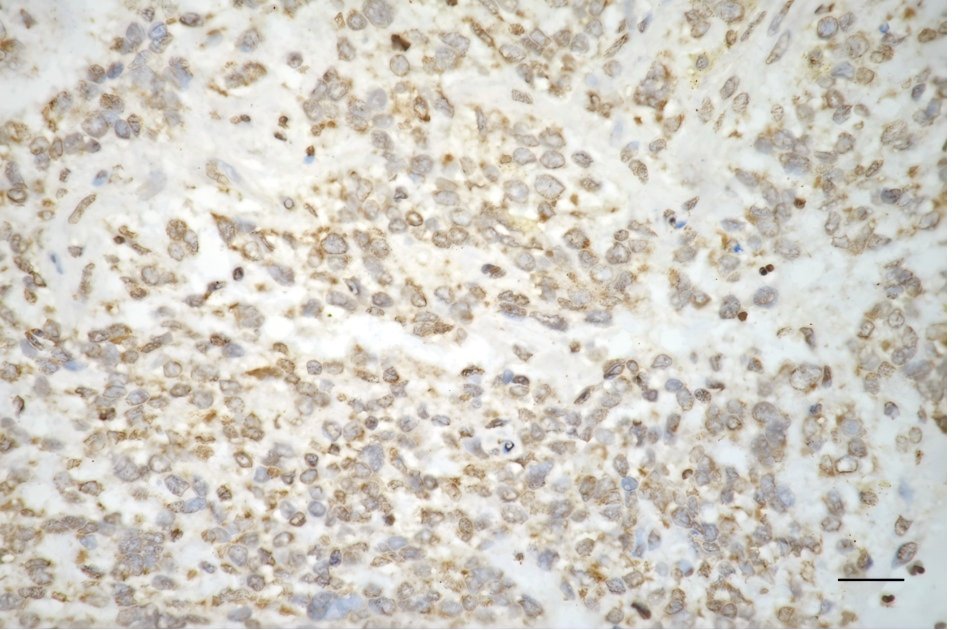
Mouse anti-Human sapiens (Human) HADH Monoclonal Antibody

Mouse anti-Human sapiens (Human) HADH Monoclonal Antibody — Mitochondrial fatty acid beta-oxidation enzyme that catalyzes the third step of the beta-oxidation cycle for medium and short-chain 3-hydroxy fatty acyl-CoAs (C4 to C10).

SKU: BCREC-000931MA Category:

Product Specifications

Uniprot No.Q16836
Target NamesHADH
Species ReactivityMouse
ImmunogenRecombinant Human HADH protein
Immunogen SpeciesHomo sapiens (Human)
ConjugateNon-conjugated
IsotypeMouse IgG2b
ClonalityMonoclonal
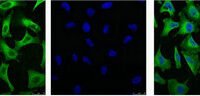
ApplicationsELISA, WB, IHC
BufferPBS, 50% glycerol, 0.05% Proclin 300, 0.05%BSA
StorageUpon receipt, store at -20°C or -80°C. Avoid repeated freeze.

Function

Mitochondrial fatty acid beta-oxidation enzyme that catalyzes the third step of the beta-oxidation cycle for medium and short-chain 3-hydroxy fatty acyl-CoAs (C4 to C10). Plays a role in the control of insulin secretion by inhibiting the activation of glutamate dehydrogenase 1 (GLUD1), an enzyme that has an important role in regulating amino acid-induced insulin secretion. Plays a role in the maintenance of normal spermatogenesis through the reduction of fatty acid accumulation in the testes.

Biological Context

Subcellular Location: Mitochondrion matrix
Tissue Specificity: Expressed in liver, kidney, pancreas, heart and skeletal muscle
Disease Association: 3-alpha-hydroxyacyl-CoA dehydrogenase deficiency (HADH deficiency) : An autosomal recessive, metabolic disorder with various clinical presentations including hypoglycemia, hepatoencephalopathy, myopathy or cardiomyopathy, and in some cases sudden death. [The disease is caused by variants affecting the gene represented in this entry] | Hyperinsulinemic hypoglycemia, familial, 4 (HHF4) : A form of hyperinsulinemic hypoglycemia, a clinically and genetically heterogeneous disorder characterized by inappropriate insulin secretion from the pancreatic beta-cells in the presence of low blood glucose levels. HHF4 clinical features include hypoglycemic coma, mental retardation due to repeated episodes of hypoglycemia, and seizures. HHF4 inheritance is autosomal recessive. [The disease is caused by variants affecting the gene represented in this entry]
Pathway: Lipid metabolism; fatty acid beta-oxidation

Product Specifications

Mouse anti-Human sapiens (Human) HADH Monoclonal Antibody is a recombinant protein. Suitable for ELISA and Western Blot applications.

SDS-PAGE: Single band at expected molecular weight confirming purity.

ELISA: Suitable as coating antigen or detection standard.

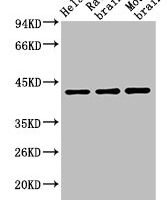
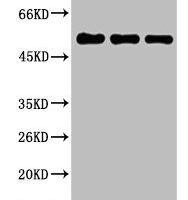
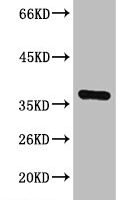
Western Blot: Compatible with standard Western Blot protocols.

Protein Interaction: Validated for SPR (Surface Plasmon Resonance) and BLI (Bio-Layer Interferometry) studies.

Shipping: Shipped at ambient temperature. Lyophilized protein is stable during transit.

Storage: Store lyophilized protein at -20°C to -80°C. Reconstituted protein should be aliquoted and stored at -80°C. Avoid repeated freeze-thaw cycles.

Shelf Life: 12 months from date of receipt when stored as recommended.

Shipping Time: Orders placed before 2 PM EST ship same day. International orders typically deliver within 5-10 business days.

Protein Biology

Function

Mitochondrial fatty acid beta-oxidation enzyme that catalyzes the third step of the beta-oxidation cycle for medium and short-chain 3-hydroxy fatty acyl-CoAs (C4 to C10) (PubMed:10231530, PubMed:11489939, PubMed:16725361). Plays a role in the control of insulin secretion by inhibiting the activation of glutamate dehydrogenase 1 (GLUD1), an enzyme that has an important role in regulating amino acid-induced insulin secretion (By similarity). Plays a role in the maintenance of normal spermatogenesis through the reduction of fatty acid accumulation in the testes (By similarity)

Subcellular Location

Mitochondrion matrix

Disease Association

3-alpha-hydroxyacyl-CoA dehydrogenase deficiency (HADH deficiency) : An autosomal recessive, metabolic disorder with various clinical presentations including hypoglycemia, hepatoencephalopathy, myopathy or cardiomyopathy, and in some cases sudden death. [The disease is caused by variants affecting the gene represented in this entry] | Hyperinsulinemic hypoglycemia, familial, 4 (HHF4) : A form of hyperinsulinemic hypoglycemia, a clinically and genetically heterogeneous disorder characterized by inappropriate insulin secretion from the pancreatic beta-cells in the presence of low blood glucose levels. HHF4 clinical features include hypoglycemic coma, mental retardation due to repeated episodes of hypoglycemia, and seizures. HHF4 inheritance is autosomal recessive. [The disease is caused by variants affecting the gene represented in this entry]

Tissue Specificity

Expressed in liver, kidney, pancreas, heart and skeletal muscle

Subunit

Homodimer (PubMed:10231530, PubMed:10840044, PubMed:16725361). Interacts with GLUD1; this interaction inhibits the activation of glutamate dehydrogenase 1 (GLUD1) (By similarity)

Pathway

Lipid metabolism; fatty acid beta-oxidation

Gene: HADH  |  Organism: Homo sapiens  |  Synonyms: Medium and short-chain L-3-hydroxyacyl-coenzyme A dehydrogenase; Short-chain 3-hydroxyacyl-CoA dehydrogenase
Key Publications

Frequently Asked Questions

How do I order or inquire about this product?

Fill out the Online Inquiry form with your required quantity and specifications. You can also email sales@biocrestsci.com. Our team typically responds within 4 business hours with a quote and availability confirmation.

What is the shipping and delivery time?

Orders placed before 2 PM EST ship the same day. Domestic (US) delivery typically takes 2-3 business days. International orders deliver within 5-10 business days. All products are shipped at ambient temperature with appropriate packaging to ensure stability.

How should I store this recombinant protein?

Lyophilized proteins should be stored at -20°C to -80°C upon receipt. After reconstitution, aliquot and store at -80°C. Avoid repeated freeze-thaw cycles. Shelf life is 12 months from date of receipt when stored as recommended.

What quality controls are performed on your products?

Each product undergoes SDS-PAGE purity analysis (typically >85-95%), endotoxin testing, and bioactivity validation. Products are validated for ELISA, Western Blot, and SPR/BLI applications as specified on this product page. A Certificate of Analysis (CoA) is available upon request.

Shopping Cart
Scroll to Top