, ,

Recombinant Human Interleukin-10 receptor subunit alpha (IL10RA)-VLPs (Active)

Recombinant Human Interleukin-10 receptor subunit alpha (IL10RA)-VLPs (Active) — Cell surface receptor for the cytokine IL10 that participates in IL10-mediated anti-inflammatory functions, limiting excessive tissue disruption caused by inflammation. Purity /.

SKU: BCACP-000661 Categories: , ,
Product SKUBCACP-000661
Product DescriptionRecombinant Human Interleukin-10 receptor subunit alpha (IL10RA)-VLPs protein is expressed from Mammalian cell with C-terminal 10xHis-tagged. It contains 22-578aa. [Accession | Q13651].
Uniprot No.Q13651
Gene NamesIL10RA
Purity/
Expression SystemMammalian cell
Expression Region22-578aa
SpeciesHomo sapiens (Human)
Tag InfoC-terminal 10xHis-tagged
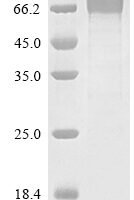
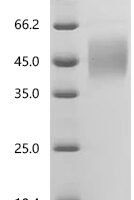
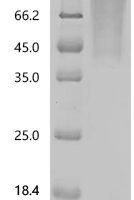
Molecular weight62.2 kDa
ActivityMeasured by its binding ability in a functional ELISA. Immobilized Macaca fascicularis CLEC7A at 2 μg/mL can bind Anti-CLEC7A recombinant antibody . The EC50 is 2.544-3.020 ng/mL.;CLEC7A Recombinant Monoclonal Antibody captured on Protein A Chip can bind Recombinant Macaca fascicularis CLEC7A with an affinity constant of 0.537 nM as detected by MetaSPR Assay (WeSPRTM 200).
BufferLyophilized from a 0.2 μm filtered 20 mM Tris-HCl, 0.5 M NaCl, 6% Trehalose, pH 8.0
StorageStore at -20°C/-80°C upon receipt, aliquoting is necessary for mutiple use. Avoid repeated freeze-thaw cycles.
Alternative NamesInterleukin-10 receptor subunit alpha; IL-10 receptor subunit alpha; IL-10R subunit alpha; IL-10RA; CDw210a; Interleukin-10 receptor subunit 1; IL-10R subunit 1; IL-10R1; CD antigen CD210

Function

Cell surface receptor for the cytokine IL10 that participates in IL10-mediated anti-inflammatory functions, limiting excessive tissue disruption caused by inflammation. Upon binding to IL10, induces a conformational change in IL10RB, allowing IL10RB to bind IL10 as well. In turn, the heterotetrameric assembly complex, composed of two subunits of IL10RA and IL10RB, activates the kinases JAK1 and TYK2 that are constitutively associated with IL10RA and IL10RB respectively.

Biological Context

Subcellular Location: Cell membrane (Single-pass type I membrane protein); Cytoplasm
Tissue Specificity: Primarily expressed in hematopoetic cells including B-cells, T-cells, NK cells, monocytes and macrophages. Not expressed in non-hematopoetic cells such as fibroblasts or endothelial cells
Disease Association: Inflammatory bowel disease 28, autosomal recessive (IBD28) : A chronic, relapsing inflammation of the gastrointestinal tract with a complex etiology. It is subdivided into Crohn disease and ulcerative colitis phenotypes. Crohn disease may affect any part of the gastrointestinal tract from the mouth to the anus, but most frequently it involves the terminal ileum and colon. Bowel inflammation is transmural and discontinuous; it may contain granulomas or be associated with intestinal or perianal fistulas. In contrast, in ulcerative colitis, the inflammation is continuous and limited to rectal and colonic mucosal layers; fistulas and granulomas are not observed. Both diseases include extraintestinal inflammation of the skin, eyes, or joints. [The disease is caused by variants affecting the gene represented in this entry]

Product Specifications

Recombinant Human Interleukin-10 receptor subunit alpha (IL10RA)-VLPs (Active) is a recombinant protein from Homo sapiens (Human), expressed in Mammalian cell, covering amino acids 22-578aa, with C-terminal 10xHis-tagged tag, molecular weight 62.2 kDa, purity /. Suitable for ELISA and Western Blot applications.

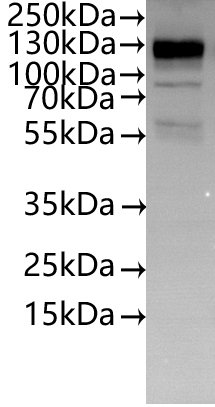
SDS-PAGE: Single band at expected molecular weight confirming purity.

ELISA: Suitable as coating antigen or detection standard.

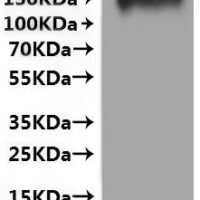
Western Blot: Compatible with standard Western Blot protocols.

Protein Interaction: Validated for SPR (Surface Plasmon Resonance) and BLI (Bio-Layer Interferometry) studies.

Shipping: Shipped at ambient temperature. Lyophilized protein is stable during transit.

Storage: Store lyophilized protein at -20°C to -80°C. Reconstituted protein should be aliquoted and stored at -80°C. Avoid repeated freeze-thaw cycles.

Shelf Life: 12 months from date of receipt when stored as recommended.

Shipping Time: Orders placed before 2 PM EST ship same day. International orders typically deliver within 5-10 business days.

Protein Biology

Function

Cell surface receptor for the cytokine IL10 that participates in IL10-mediated anti-inflammatory functions, limiting excessive tissue disruption caused by inflammation. Upon binding to IL10, induces a conformational change in IL10RB, allowing IL10RB to bind IL10 as well (PubMed:16982608). In turn, the heterotetrameric assembly complex, composed of two subunits of IL10RA and IL10RB, activates the kinases JAK1 and TYK2 that are constitutively associated with IL10RA and IL10RB respectively (PubMed:12133952). These kinases then phosphorylate specific tyrosine residues in the intracellular domain in IL10RA leading to the recruitment and subsequent phosphorylation of STAT3. Once phosphorylated, STAT3 homodimerizes, translocates to the nucleus and activates the expression of anti-inflammatory genes. In addition, IL10RA-mediated activation of STAT3 inhibits starvation-induced autophagy (PubMed:26962683)

Subcellular Location

Cell membrane (Single-pass type I membrane protein); Cytoplasm

Disease Association

Inflammatory bowel disease 28, autosomal recessive (IBD28) : A chronic, relapsing inflammation of the gastrointestinal tract with a complex etiology. It is subdivided into Crohn disease and ulcerative colitis phenotypes. Crohn disease may affect any part of the gastrointestinal tract from the mouth to the anus, but most frequently it involves the terminal ileum and colon. Bowel inflammation is transmural and discontinuous; it may contain granulomas or be associated with intestinal or perianal fistulas. In contrast, in ulcerative colitis, the inflammation is continuous and limited to rectal and colonic mucosal layers; fistulas and granulomas are not observed. Both diseases include extraintestinal inflammation of the skin, eyes, or joints. [The disease is caused by variants affecting the gene represented in this entry]

Tissue Specificity

Primarily expressed in hematopoetic cells including B-cells, T-cells, NK cells, monocytes and macrophages. Not expressed in non-hematopoetic cells such as fibroblasts or endothelial cells

Subunit

(Microbial infection) Interacts with Epstein-Barr virus protein IL10

Gene: IL10RA  |  Organism: Homo sapiens  |  Synonyms: CDw210a; Interleukin-10 receptor subunit 1

Frequently Asked Questions

How do I order or inquire about this product?

Fill out the Online Inquiry form with your required quantity and specifications. You can also email sales@biocrestsci.com. Our team typically responds within 4 business hours with a quote and availability confirmation.

What is the shipping and delivery time?

Orders placed before 2 PM EST ship the same day. Domestic (US) delivery typically takes 2-3 business days. International orders deliver within 5-10 business days. All products are shipped at ambient temperature with appropriate packaging to ensure stability.

How should I store this recombinant protein?

Lyophilized proteins should be stored at -20°C to -80°C upon receipt. After reconstitution, aliquot and store at -80°C. Avoid repeated freeze-thaw cycles. Shelf life is 12 months from date of receipt when stored as recommended.

What quality controls are performed on your products?

Each product undergoes SDS-PAGE purity analysis (typically >85-95%), endotoxin testing, and bioactivity validation. Products are validated for ELISA, Western Blot, and SPR/BLI applications as specified on this product page. A Certificate of Analysis (CoA) is available upon request.

Shopping Cart
Scroll to Top