Function
Generates phosphatidylinositol 3-phosphate (PtdIns3P) and phosphatidylinositol 3,4-bisphosphate (PtdIns(3,4)P2) that act as second messengers. Has a role in several intracellular trafficking events. Functions in insulin signaling and secretion.
Biological Context
Subcellular Location: Cell membrane; Cytoplasmic vesicle, clathrin-coated vesicle; Nucleus; Cytoplasm; Golgi apparatus, trans-Golgi network
Tissue Specificity: Expressed in columnar and transitional epithelia, mononuclear cells, smooth muscle cells, and endothelial cells lining capillaries and small venules (at protein level). Ubiquitously expressed, with highest levels in heart, placenta and ovary, and lowest levels in the kidney. Detected at low levels in islets of Langerhans from type 2 diabetes mellitus individuals
Disease Association: Oculoskeletodental syndrome (OCSKD) : An autosomal recessive syndrome characterized by congenital cataracts, short stature, dysmorphic features with coarse facies, dental anomalies, multiple skeletal abnormalities, and neurological manifestations. Other recurrent features include hearing loss, secondary glaucoma, and nephrocalcinosis. [The disease is caused by variants affecting the gene represented in this entry]
Product Specifications
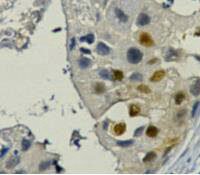
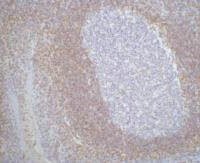
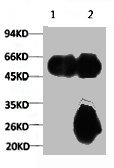
Mouse anti-Human sapiens (Human) PIK3C2A Monoclonal Antibody is a recombinant protein. Suitable for ELISA and Western Blot applications. Explore more Antibody products →