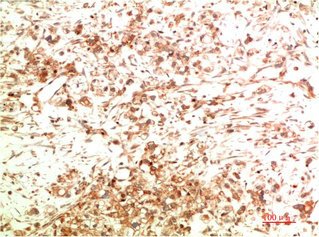

Function
(Microbial infection) May act as a proviral factor. In association with ATG12, negatively regulates the innate antiviral immune response by impairing the type I IFN production pathway upon vesicular stomatitis virus (VSV) infection. Required for the translation of incoming hepatitis C virus (HCV) RNA and, thereby, for initiation of HCV replication, but not required once infection is established.
Biological Context
Subcellular Location: Cytoplasm; Preautophagosomal structure membrane (Peripheral membrane protein)
Tissue Specificity: Ubiquitous. The mRNA is present at similar levels in viable and apoptotic cells, whereas the protein is dramatically highly expressed in apoptotic cells
Disease Association: Spinocerebellar ataxia, autosomal recessive, 25 (SCAR25) : A form of spinocerebellar ataxia, a clinically and genetically heterogeneous group of cerebellar disorders due to degeneration of the cerebellum with variable involvement of the brainstem and spinal cord. SCAR25 patients manifest delayed psychomotor development with delayed walking, truncal ataxia, dysmetria, and nystagmus, Cerebellar hypoplasia is seen on brain imaging. [The disease is caused by variants affecting the gene represented in this entry]
Product Specifications
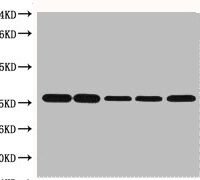
Mouse anti-Human/Mouse/Rat ATG5 Monoclonal Antibody is a recombinant protein. Suitable for ELISA and Western Blot applications. Explore more Antibody products →