, ,

Recombinant Mouse CX3C chemokine receptor 1 (Cx3cr1)-VLPs Protein

Recombinant Mouse CX3C chemokine receptor 1 (Cx3cr1)-VLPs Protein — Receptor for the C-X3-C chemokine fractalkine (CX3CL1) present on many early leukocyte cells; CX3CR1-CX3CL1 signaling exerts distinct functions in different tissue compartments, such as immune resp… Purity VLPs.

SKU: BCRECP-00455TM Categories: , ,

Product Specifications

Uniprot No.Q9Z0D9
Gene NamesCx3cr1
PurityVLPs
Expression SystemMammalian cell
Expression Region1-354aa
SpeciesMus musculus (Mouse)
Tag InfoC-terminal 10xHis-tagged
Molecular weight41.6kDa
ActivityNot Test
BufferIf the delivery form is liquid, the default storage buffer is Tris/PBS-based buffer, 5%-50% glycerol.If the delivery form is lyophilized powder, the buffer before lyophilization is Tris/PBS-based buffer, 6% Trehalose.
StorageStore at -20°C/-80°C upon receipt, aliquoting is necessary for mutiple use. Avoid repeated freeze-thaw cycles.

Function

Receptor for the C-X3-C chemokine fractalkine (CX3CL1) present on many early leukocyte cells; CX3CR1-CX3CL1 signaling exerts distinct functions in different tissue compartments, such as immune response, inflammation, cell adhesion and chemotaxis. CX3CR1-CX3CL1 signaling mediates cell migratory functions. Responsible for the recruitment of natural killer (NK) cells to inflamed tissues.

Biological Context

Subcellular Location: Cell membrane (Multi-pass membrane protein)
Tissue Specificity: Specifically expressed in subsets of leukocytes: expressed in monocytes, subsets of T-cells and natural killer (NK) cells in the circulation, dendritic cells, as well as in microglia in the central nervous system (CNS). Expression level subdivides blood monocytes into two major functional subsets; CD14(+)CD16(-)-CX3CR1(low) inflammatory monocytes and CD14(low)CD16(+)CX3CR1(high) homeostatic monocytes. Expressed in myeloid-derived mucosal dendritic cells, which populate the entire lamina propria of the small intestine

Product Specifications

Recombinant Mouse CX3C chemokine receptor 1 (Cx3cr1)-VLPs Protein is a recombinant protein from Mus musculus (Mouse), expressed in Mammalian cell, covering amino acids 1-354aa, with C-terminal 10xHis-tagged tag, molecular weight 41.6kDa, purity VLPs. Suitable for ELISA and Western Blot applications.

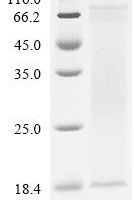
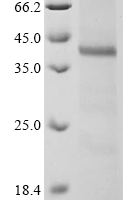
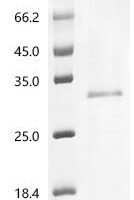
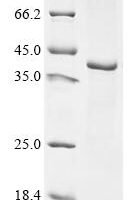
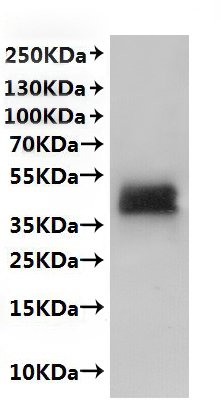
SDS-PAGE: Single band at expected molecular weight confirming purity.

ELISA: Suitable as coating antigen or detection standard.

Western Blot: Compatible with standard Western Blot protocols.

Protein Interaction: Validated for SPR (Surface Plasmon Resonance) and BLI (Bio-Layer Interferometry) studies.

Shipping: Shipped at ambient temperature. Lyophilized protein is stable during transit.

Storage: Store lyophilized protein at -20°C to -80°C. Reconstituted protein should be aliquoted and stored at -80°C. Avoid repeated freeze-thaw cycles.

Shelf Life: 12 months from date of receipt when stored as recommended.

Shipping Time: Orders placed before 2 PM EST ship same day. International orders typically deliver within 5-10 business days.

Protein Biology

Function

Receptor for the C-X3-C chemokine fractalkine (CX3CL1) present on many early leukocyte cells; CX3CR1-CX3CL1 signaling exerts distinct functions in different tissue compartments, such as immune response, inflammation, cell adhesion and chemotaxis (PubMed:10187784, PubMed:9918795). CX3CR1-CX3CL1 signaling mediates cell migratory functions (PubMed:11544273, PubMed:12871640, PubMed:16675847, PubMed:18322241). Responsible for the recruitment of natural killer (NK) cells to inflamed tissues (PubMed:11544273, PubMed:16675847). Acts as a regulator of inflammation process leading to atherogenesis by mediating macrophage and monocyte recruitment to inflamed atherosclerotic plaques, promoting cell survival (PubMed:12569158, PubMed:18971423). Involved in airway inflammation by promoting interleukin 2-producing T helper (Th2) cell survival in inflamed lung (PubMed:21037587). Involved in the migration of circulating monocytes to non-inflamed tissues, where they differentiate into macrophages and dendritic cells (PubMed:12871640). Acts as a negative regulator of angiogenesis, probably by promoting macrophage chemotaxis (PubMed:18322241). Plays a key role in brain microglia by regulating inflammatory response in the central nervous system (CNS) and regulating synapse maturation (PubMed:16732273, PubMed:21778362, PubMed:24487234). Required to restrain the microglial inflammatory response in the CNS and the resulting parenchymal damage in response to pathological stimuli (PubMed:16732273). Involved in brain development by participating in synaptic pruning, a natural process during which brain microglia eliminates extra synapses during postnatal development (PubMed:21778362). Synaptic pruning by microglia is required to promote the maturation of circuit connectivity during brain development (PubMed:24487234). Acts as an important regulator of the gut microbiota by controlling immunity to intestinal bacteria and fungi (PubMed:15653504, PubMed:29326275). Expressed in lamina propria dendritic cells in the small intestine, which form transepithelial dendrites capable of taking up bacteria in order to provide defense against pathogenic bacteria (PubMed:15653504). Required to initiate innate and adaptive immune responses against dissemination of commensal fungi (mycobiota) component of the gut: expressed in mononuclear phagocytes (MNPs) and acts by promoting induction of antifungal IgG antibodies response to confer protection against disseminated C.albicans or C.auris infection (PubMed:29326275, PubMed:33548172). Also acts as a receptor for C-C motif chemokine CCL26, inducing cell chemotaxis (By similarity)

Subcellular Location

Cell membrane (Multi-pass membrane protein)

Tissue Specificity

Specifically expressed in subsets of leukocytes: expressed in monocytes, subsets of T-cells and natural killer (NK) cells in the circulation, dendritic cells, as well as in microglia in the central nervous system (CNS) (PubMed:10805752, PubMed:12871640, PubMed:16732273). Expression level subdivides blood monocytes into two major functional subsets; CD14(+)CD16(-)-CX3CR1(low) inflammatory monocytes and CD14(low)CD16(+)CX3CR1(high) homeostatic monocytes (PubMed:12871640). Expressed in myeloid-derived mucosal dendritic cells, which populate the entire lamina propria of the small intestine (PubMed:15653504)

Subunit

Found in a ternary complex with CX3CL1 and ITGAV:ITGB3 or ITGA4:ITGB1

Gene: Cx3cr1  |  Organism: Mus musculus  |  Synonyms: Fractalkine receptor
Key Publications

Frequently Asked Questions

How do I order or inquire about this product?

Fill out the Online Inquiry form with your required quantity and specifications. You can also email sales@biocrestsci.com. Our team typically responds within 4 business hours with a quote and availability confirmation.

What is the shipping and delivery time?

Orders placed before 2 PM EST ship the same day. Domestic (US) delivery typically takes 2-3 business days. International orders deliver within 5-10 business days. All products are shipped at ambient temperature with appropriate packaging to ensure stability.

How should I store this recombinant protein?

Lyophilized proteins should be stored at -20°C to -80°C upon receipt. After reconstitution, aliquot and store at -80°C. Avoid repeated freeze-thaw cycles. Shelf life is 12 months from date of receipt when stored as recommended.

What quality controls are performed on your products?

Each product undergoes SDS-PAGE purity analysis (typically >85-95%), endotoxin testing, and bioactivity validation. Products are validated for ELISA, Western Blot, and SPR/BLI applications as specified on this product page. A Certificate of Analysis (CoA) is available upon request.

Shopping Cart
Scroll to Top