Function
Part of the TCR-CD3 complex present on T-lymphocyte cell surface that plays an essential role in adaptive immune response. When antigen presenting cells (APCs) activate T-cell receptor (TCR), TCR-mediated signals are transmitted across the cell membrane by the CD3 chains CD3D, CD3E, CD3G and CD247/CD3Z. All CD3 chains contain immunoreceptor tyrosine-based activation motifs (ITAMs) in their cytoplasmic domain.
Biological Context
Subcellular Location: Cell membrane (Single-pass type I membrane protein)
Disease Association: Immunodeficiency 17 (IMD17) : An autosomal recessive primary immunodeficiency characterized by highly variable clinical severity. Some patients have onset of severe recurrent infections in early infancy that may be lethal, whereas others may be only mildly affected or essentially asymptomatic into young adulthood. More severely affected patients may have evidence of autoimmune disease or enteropathy. The immunologic pattern is similar among patients, showing partial T-cell lymphopenia, decreased amounts of the CD3 complex, and impaired proliferative responses to T-cell receptor dependent stimuli. The phenotype in some patients is reminiscent of severe combined immunodeficiency. [The disease is caused by variants affecting the gene represented in this entry]
Product Specifications
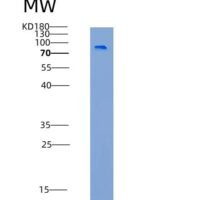
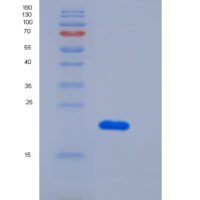
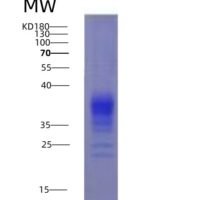
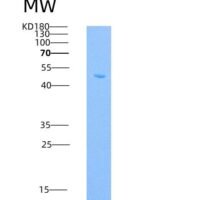
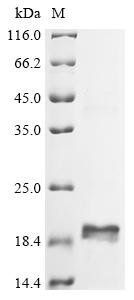
Recombinant Human T-cell surface glycoprotein CD3 gamma chain (CD3G), partial is a recombinant protein from Homo sapiens (Human), expressed in E.coli, covering amino acids 23-116aa, with N-terminal 10xHis-tagged and C-terminal Myc-tagged tag, molecular weight 18.2kDa, purity Greater than 90% as determined by SDS-PAGE.. Suitable for ELISA and Western Blot applications. Explore more CD proteins →