
Biochemical and Functional Studies
Native preparations may be useful for enzyme studies, ligand-binding experiments, antibody characterization, standards and other workflows where the biological source is important.
Showing 1–20 of 67 resultsSorted by latest
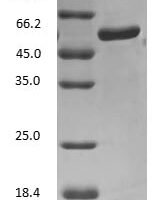
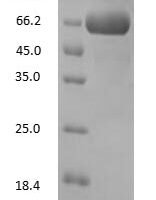
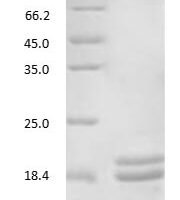
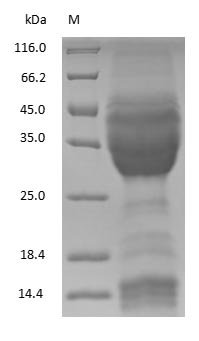
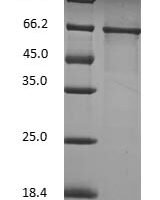
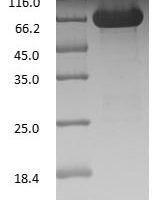
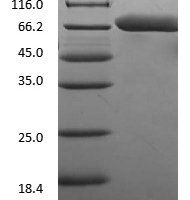
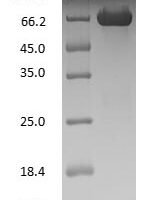
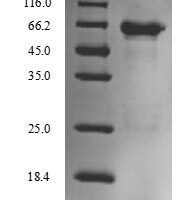
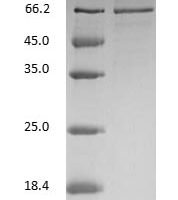
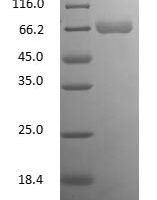
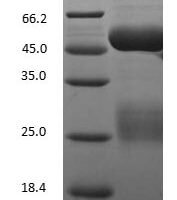
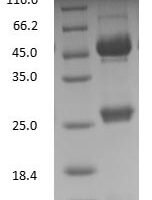
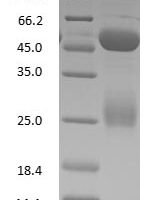
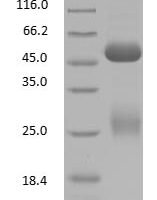
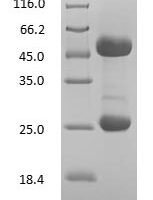
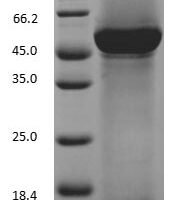
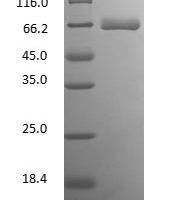
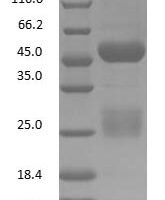
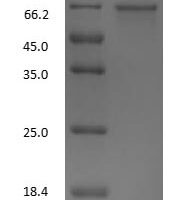
Native proteins are isolated from biological materials rather than produced through recombinant expression. Depending on the source and purification process, they can preserve endogenous processing, naturally occurring post-translational modifications or biologically relevant molecular forms that may be difficult to reproduce in a heterologous system.
Native preparations may be useful for enzyme studies, ligand-binding experiments, antibody characterization, standards and other workflows where the biological source is important.
Select material based on source organism, tissue or sample type, purity, formulation and the requirements of the downstream assay. Product-specific details should guide final selection.
Check species, tissue or starting material and consider whether endogenous modification or processing is important for the experiment.
Compare purity, molecular form, buffer, storage conditions and available characterization information rather than assuming every native preparation has identical properties.
If the required target or source is not available as a catalog product, BioCrestSci offers a native protein purification service for project-specific starting materials, purification strategies and analytical requirements.
Native proteins are isolated from biological sources, while recombinant proteins are produced using an engineered expression system. The preferred option depends on source, modifications, construct requirements and assay goals.
No. Endogenous forms and modifications depend on the biological source and purification process. Review the individual product documentation for available details.
Yes. Custom feasibility depends on target abundance, starting material, stability, desired purity and downstream application.