Mouse anti-Human sapiens (Human) PTPRC Monoclonal Antibody

Mouse anti-Human sapiens (Human) PTPRC Monoclonal Antibody — recombinant protein.

SKU: BCREC-000199MA Category:

Product Specifications

Uniprot No.P08575
Target NamesPTPRC
Species ReactivityMouse
ImmunogenRecombinant Human Receptor-type tyrosine-protein phosphatase C protein (24-575AA)
ConjugateNon-conjugated
IsotypeIgG2b
ClonalityMonoclonal
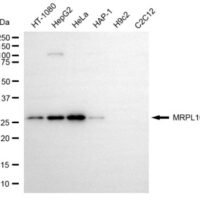
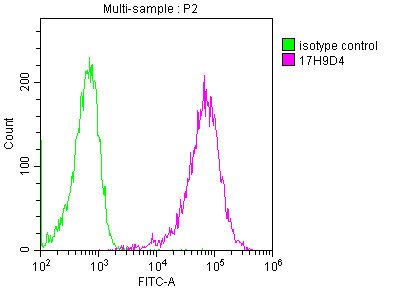
ApplicationsELISA, WB, IHC, IF, FC
BufferPBS, 50% glycerol, 0.05% Proclin 300, 0.05%BSA
StorageUpon receipt, store at -20°C or -80°C. Avoid repeated freeze.

Function

(Microbial infection) Acts as a receptor for human cytomegalovirus protein UL11 and mediates binding of UL11 to T-cells, leading to reduced induction of tyrosine phosphorylation of multiple signaling proteins upon T-cell receptor stimulation and impaired T-cell proliferation.

Biological Context

Subcellular Location: Cell membrane (Single-pass type I membrane protein); Membrane raft; Synapse
Tissue Specificity: Isoform 1: Detected in thymocytes. Isoform 2: Detected in thymocytes. Isoform 3: Detected in thymocytes. Isoform 4: Not detected in thymocytes. Isoform 5: Detected in thymocytes. Isoform 6: Not detected in thymocytes. Isoform 7: Detected in thymocytes. Isoform 8: Not detected in thymocytes
Disease Association: Multiple sclerosis (MS) : A multifactorial, inflammatory, demyelinating disease of the central nervous system. Sclerotic lesions are characterized by perivascular infiltration of monocytes and lymphocytes and appear as indurated areas in pathologic specimens (sclerosis in plaques). The pathological mechanism is regarded as an autoimmune attack of the myelin sheath, mediated by both cellular and humoral immunity. Clinical manifestations include visual loss, extra-ocular movement disorders, paresthesias, loss of sensation, weakness, dysarthria, spasticity, ataxia and bladder dysfunction. Genetic and environmental factors influence susceptibility to the disease. [Disease susceptibility may be associated with variants affecting the gene represented in this entry] | Immunodeficiency 105, severe combined (IMD105) : An autosomal recessive disorder characterized by recurrent infections in early infancy, decreased or absent numbers of non-functional T cells, normal or increased levels of B cells, hypogammaglobulinemia, and normal or low NK cells. Clinical manifestations may include pneumonia, dermatitis, and lymphadenopathy. [The disease is caused by variants affecting the gene represented in this entry]

Product Specifications

Mouse anti-Human sapiens (Human) PTPRC Monoclonal Antibody is a recombinant protein. Suitable for ELISA and Western Blot applications.

Applications: ELISA, WB, IHC, IF, FC

Biological Activity: Not implied unless activity data are explicitly listed on this product page, the datasheet, or the CoA.

Storage: Upon receipt, store at -20°C or -80°C. Avoid repeated freeze.

Shipping & Lead Time: Availability, shipping conditions, and estimated lead time are confirmed in the formal quotation or order confirmation based on the product format, destination, and order requirements.

Protein Biology

Function

(Microbial infection) Acts as a receptor for human cytomegalovirus protein UL11 and mediates binding of UL11 to T-cells, leading to reduced induction of tyrosine phosphorylation of multiple signaling proteins upon T-cell receptor stimulation and impaired T-cell proliferation

Subcellular Location

Cell membrane (Single-pass type I membrane protein); Membrane raft; Synapse

Disease Association

Multiple sclerosis (MS) : A multifactorial, inflammatory, demyelinating disease of the central nervous system. Sclerotic lesions are characterized by perivascular infiltration of monocytes and lymphocytes and appear as indurated areas in pathologic specimens (sclerosis in plaques). The pathological mechanism is regarded as an autoimmune attack of the myelin sheath, mediated by both cellular and humoral immunity. Clinical manifestations include visual loss, extra-ocular movement disorders, paresthesias, loss of sensation, weakness, dysarthria, spasticity, ataxia and bladder dysfunction. Genetic and environmental factors influence susceptibility to the disease. [Disease susceptibility may be associated with variants affecting the gene represented in this entry] | Immunodeficiency 105, severe combined (IMD105) : An autosomal recessive disorder characterized by recurrent infections in early infancy, decreased or absent numbers of non-functional T cells, normal or increased levels of B cells, hypogammaglobulinemia, and normal or low NK cells. Clinical manifestations may include pneumonia, dermatitis, and lymphadenopathy. [The disease is caused by variants affecting the gene represented in this entry]

Tissue Specificity

Isoform 1: Detected in thymocytes. Isoform 2: Detected in thymocytes. Isoform 3: Detected in thymocytes. Isoform 4: Not detected in thymocytes. Isoform 5: Detected in thymocytes. Isoform 6: Not detected in thymocytes. Isoform 7: Detected in thymocytes. Isoform 8: Not detected in thymocytes

Subunit

(Microbial infection) Interacts with human cytomegalovirus protein UL11; the interaction is required for binding of UL11 to T-cells

Gene: PTPRC  |  Organism: Homo sapiens  |  Synonyms: Leukocyte common antigen; T200
Key Publications

Frequently Asked Questions

How do I order or inquire about this product?

Submit the Online Inquiry form with your required quantity and specifications, or email sales@biocrestsci.com. Available sizes, pricing, stock status, documentation, and estimated lead time are confirmed in the formal quotation.

What is the shipping and delivery time?

Availability, dispatch timing, shipping conditions, and delivery estimates depend on the product format, destination, and order requirements. These details are confirmed in the formal quotation or order confirmation.

How should this product be stored?

Follow the storage and handling instructions in the product-specific datasheet and Certificate of Analysis (CoA). Requirements may vary by product form and formulation; contact BioCrest Sci if product-specific guidance is needed.

What quality controls are performed on your products?

Quality-control data such as identity, purity, endotoxin level, or biological activity are provided only when specified on this product page, the datasheet, or Certificate of Analysis (CoA). Biological activity is not implied unless explicitly stated.

Shopping Cart
Scroll to Top