Mouse anti-Human sapiens (Human) TSG101 Monoclonal Antibody

Mouse anti-Human sapiens (Human) TSG101 Monoclonal Antibody — Component of the ESCRT-I complex, a regulator of vesicular trafficking process.

SKU: BCREC-000810MA Category:

Product Specifications

Uniprot No.Q99816
Target NamesTSG101
Species ReactivityMouse
ImmunogenRecombinant Human TSG101 protein (1-145AA)
Immunogen SpeciesHomo sapiens (Human)
ConjugateNon-conjugated
IsotypeIgG1
ClonalityMonoclonal
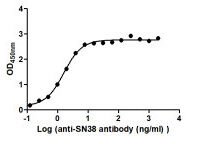
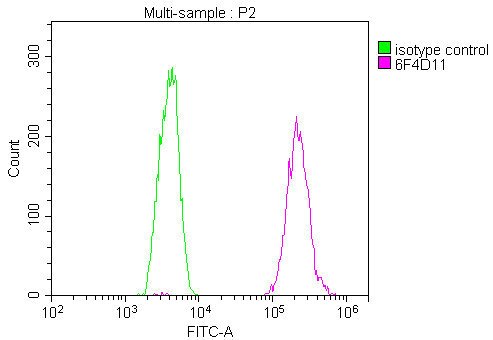
ApplicationsELISA, WB, IF, FC
BufferPBS, 50% glycerol, 0.05% Proclin 300, 0.05%BSA
StorageUpon receipt, store at -20°C or -80°C. Avoid repeated freeze.

Function

Component of the ESCRT-I complex, a regulator of vesicular trafficking process. Binds to ubiquitinated cargo proteins and is required for the sorting of endocytic ubiquitinated cargos into multivesicular bodies (MVBs). Mediates the association between the ESCRT-0 and ESCRT-I complex.

Biological Context

Subcellular Location: Cytoplasm; Early endosome membrane (Peripheral membrane protein); Late endosome membrane (Peripheral membrane protein); Cytoplasm, cytoskeleton, microtubule organizing center, centrosome; Midbody, Midbody ring; Nucleus
Tissue Specificity: Heart, brain, placenta, lung, liver, skeletal, kidney and pancreas

Product Specifications

Mouse anti-Human sapiens (Human) TSG101 Monoclonal Antibody is a recombinant protein. Suitable for ELISA and Western Blot applications.

Applications: ELISA, WB, IF, FC

Biological Activity: Not implied unless activity data are explicitly listed on this product page, the datasheet, or the CoA.

Storage: Upon receipt, store at -20°C or -80°C. Avoid repeated freeze.

Shipping & Lead Time: Availability, shipping conditions, and estimated lead time are confirmed in the formal quotation or order confirmation based on the product format, destination, and order requirements.

Protein Biology

Function

Component of the ESCRT-I complex, a regulator of vesicular trafficking process. Binds to ubiquitinated cargo proteins and is required for the sorting of endocytic ubiquitinated cargos into multivesicular bodies (MVBs). Mediates the association between the ESCRT-0 and ESCRT-I complex. Required for completion of cytokinesis; the function requires CEP55. May be involved in cell growth and differentiation. Acts as a negative growth regulator. Involved in the budding of many viruses through an interaction with viral proteins that contain a late-budding motif P-[ST]-A-P. This interaction is essential for viral particle budding of numerous retroviruses. Required for the exosomal release of SDCBP, CD63 and syndecan (PubMed:22660413). It may also play a role in the extracellular release of microvesicles that differ from the exosomes (PubMed:22315426)

Subcellular Location

Cytoplasm; Early endosome membrane (Peripheral membrane protein); Late endosome membrane (Peripheral membrane protein); Cytoplasm, cytoskeleton, microtubule organizing center, centrosome; Midbody, Midbody ring; Nucleus

Tissue Specificity

Heart, brain, placenta, lung, liver, skeletal, kidney and pancreas

Subunit

(Microbial infection) Interacts with hepatitis E virus protein ORF3

Gene: TSG101  |  Organism: Homo sapiens  |  Synonyms: ESCRT-I complex subunit TSG101
Key Publications

Frequently Asked Questions

How do I order or inquire about this product?

Submit the Online Inquiry form with your required quantity and specifications, or email sales@biocrestsci.com. Available sizes, pricing, stock status, documentation, and estimated lead time are confirmed in the formal quotation.

What is the shipping and delivery time?

Availability, dispatch timing, shipping conditions, and delivery estimates depend on the product format, destination, and order requirements. These details are confirmed in the formal quotation or order confirmation.

How should this product be stored?

Follow the storage and handling instructions in the product-specific datasheet and Certificate of Analysis (CoA). Requirements may vary by product form and formulation; contact BioCrest Sci if product-specific guidance is needed.

What quality controls are performed on your products?

Quality-control data such as identity, purity, endotoxin level, or biological activity are provided only when specified on this product page, the datasheet, or Certificate of Analysis (CoA). Biological activity is not implied unless explicitly stated.

Shopping Cart
Scroll to Top