Function
Alpha-2 adrenergic receptors are G protein-coupled receptors for catecholamines that activate the G(i/o) protein pathway, thereby promoting adenylyl cyclase inhibition, ERK1/2 stimulation, and voltage-gated calcium channels suppression. Control a variety of physiological processes, such as regulation of blood pressure, lipolysis and insulin release. ADRA2A and ADRA2C mediates the presynaptic feedback inhibition of neurotransmitter release from noradrenergic nerve terminals in sympathetic and central nervous systems.
Biological Context
Subcellular Location: Cell membrane (Multi-pass membrane protein)
Disease Association: Lipodystrophy, familial partial, 8 (FPLD8) : An autosomal dominant form of partial lipodystrophy, a disorder characterized by abnormal subcutaneous fat distribution. FPLD8 patients show selective loss of subcutaneous adipose tissue from the limbs, beginning around 13 to 15 years of age, and abnormal accumulation of subcutaneous adipose tissue in the dorsal neck and face, as well as in the posterior thoracic and abdominal regions. The disorder is associated with metabolic abnormalities, including diabetes mellitus and hyperlipidemia. [The disease may be caused by variants affecting the gene represented in this entry]
Product Specifications
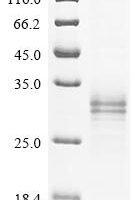
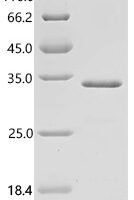
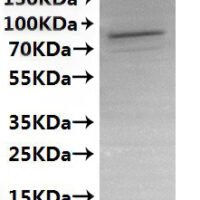
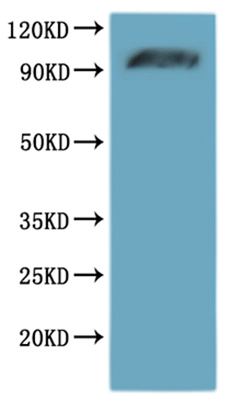
Recombinant Human Alpha-2A adrenergic receptor (ADRA2A)-VLPs Protein is a recombinant protein from Homo sapiens (Human), expressed in Mammalian cell, covering amino acids 1-465aa, with C-terminal 10xHis-tagged(This tag can be tested only under denaturing conditions) tag, molecular weight 52.0kDa, purity Greater than 95% as determined by SEC-HPLC.. Suitable for ELISA and Western Blot applications. Explore more VLP Transmembrane proteins →