,

Recombinant Human D-3-phosphoglycerate dehydrogenase (PHGDH), partial

Recombinant Human D-3-phosphoglycerate dehydrogenase (PHGDH), partial — Catalyzes the reversible oxidation of 3-phospho-D-glycerate to 3-phosphonooxypyruvate, the first step of the phosphorylated L-serine biosynthesis pathway. Purity >85%.

SKU: BCRECP-001378 Categories: ,

Product Specifications

Product SkuBCRECP-001378
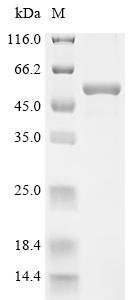
Product DescriptionRecombinant Human D-3-phosphoglycerate dehydrogenase (PHGDH) Protein is expressed from E.coli with N-terminal GST-tagged. It contains 2-251aa. [Accession | O43175].
Uniprot No.O43175
Gene NamesPHGDH
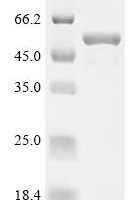
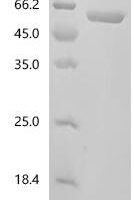
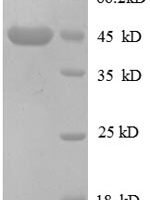
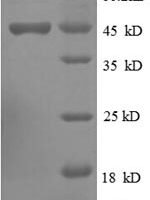
PurityGreater than 85% as determined by SDS-PAGE.
Expression SystemE.coli
Expression Region2-251aa
SpeciesHomo sapiens (Human)
Tag InfoN-terminal GST-tagged
Molecular weight54.3kDa
ActivityPlease contact us to obtain bioactivity data.
BufferIf the delivery form is liquid, the default storage buffer is Tris/PBS-based buffer, 5%-50% glycerol. If the delivery form is lyophilized powder, the buffer before lyophilization is Tris/PBS-based buffer, 6% Trehalose.
StorageStore at -20°C/-80°C upon receipt, aliquoting is necessary for mutiple use. Avoid repeated freeze-thaw cycles.
Research AreasMetabolism

Function

Catalyzes the reversible oxidation of 3-phospho-D-glycerate to 3-phosphonooxypyruvate, the first step of the phosphorylated L-serine biosynthesis pathway. Also catalyzes the reversible oxidation of 2-hydroxyglutarate to 2-oxoglutarate and the reversible oxidation of (S)-malate to oxaloacetate.

Biological Context

Disease Association: Phosphoglycerate dehydrogenase deficiency (PHGDHD) : An autosomal recessive inborn error of L-serine biosynthesis, clinically characterized by congenital microcephaly, psychomotor retardation, and seizures. [The disease is caused by variants affecting the gene represented in this entry] | Neu-Laxova syndrome 1 (NLS1) : A lethal, autosomal recessive multiple malformation syndrome characterized by ichthyosis, marked intrauterine growth restriction, microcephaly, short neck, limb deformities, hypoplastic lungs, edema, and central nervous system anomalies including lissencephaly, cerebellar hypoplasia and/or abnormal/agenesis of the corpus callosum. Abnormal facial features include severe proptosis with ectropion, hypertelorism, micrognathia, flattened nose, and malformed ears. [The disease is caused by variants affecting the gene represented in this entry]
Pathway: Amino-acid biosynthesis; L-serine biosynthesis; L-serine from 3-phospho-D-glycerate: step 1/3

Product Specifications

Recombinant Human D-3-phosphoglycerate dehydrogenase (PHGDH), partial is a recombinant protein from Homo sapiens (Human), expressed in E.coli, covering amino acids 2-251aa, with N-terminal GST-tagged tag, molecular weight 54.3kDa, purity Greater than 85% as determined by SDS-PAGE.. Suitable for ELISA and Western Blot applications.

Recommended applications depend on the target, product format, and product-specific validation data. Refer to the product datasheet or Certificate of Analysis (CoA), or contact BioCrest Sci for application guidance.

Biological Activity: Please contact us to obtain bioactivity data.

Storage: Store at -20°C/-80°C upon receipt, aliquoting is necessary for mutiple use. Avoid repeated freeze-thaw cycles.

Shipping & Lead Time: Availability, shipping conditions, and estimated lead time are confirmed in the formal quotation or order confirmation based on the product format, destination, and order requirements.

Protein Biology

Function

Catalyzes the reversible oxidation of 3-phospho-D-glycerate to 3-phosphonooxypyruvate, the first step of the phosphorylated L-serine biosynthesis pathway. Also catalyzes the reversible oxidation of 2-hydroxyglutarate to 2-oxoglutarate and the reversible oxidation of (S)-malate to oxaloacetate

Disease Association

Phosphoglycerate dehydrogenase deficiency (PHGDHD) : An autosomal recessive inborn error of L-serine biosynthesis, clinically characterized by congenital microcephaly, psychomotor retardation, and seizures. [The disease is caused by variants affecting the gene represented in this entry] | Neu-Laxova syndrome 1 (NLS1) : A lethal, autosomal recessive multiple malformation syndrome characterized by ichthyosis, marked intrauterine growth restriction, microcephaly, short neck, limb deformities, hypoplastic lungs, edema, and central nervous system anomalies including lissencephaly, cerebellar hypoplasia and/or abnormal/agenesis of the corpus callosum. Abnormal facial features include severe proptosis with ectropion, hypertelorism, micrognathia, flattened nose, and malformed ears. [The disease is caused by variants affecting the gene represented in this entry]

Subunit

Homotetramer

Pathway

Amino-acid biosynthesis; L-serine biosynthesis; L-serine from 3-phospho-D-glycerate: step 1/3

Gene: PHGDH  |  Organism: Homo sapiens  |  Synonyms: 2-oxoglutarate reductase; Malate dehydrogenase
Key Publications

Frequently Asked Questions

How do I order or inquire about this product?

Submit the Online Inquiry form with your required quantity and specifications, or email sales@biocrestsci.com. Available sizes, pricing, stock status, documentation, and estimated lead time are confirmed in the formal quotation.

What is the shipping and delivery time?

Availability, dispatch timing, shipping conditions, and delivery estimates depend on the product format, destination, and order requirements. These details are confirmed in the formal quotation or order confirmation.

How should this product be stored?

Follow the storage and handling instructions in the product-specific datasheet and Certificate of Analysis (CoA). Requirements may vary by product form and formulation; contact BioCrest Sci if product-specific guidance is needed.

What quality controls are performed on your products?

Quality-control data such as identity, purity, endotoxin level, or biological activity are provided only when specified on this product page, the datasheet, or Certificate of Analysis (CoA). Biological activity is not implied unless explicitly stated.

Shopping Cart
Scroll to Top