Function
Membrane-bound diacylglycerol kinase that converts diacylglycerol/DAG into phosphatidic acid/phosphatidate/PA and regulates the respective levels of these two bioactive lipids. Thereby, acts as a central switch between the signaling pathways activated by these second messengers with different cellular targets and opposite effects in numerous biological processes. Also plays an important role in the biosynthesis of complex lipids.
Biological Context
Subcellular Location: Membrane (Single-pass membrane protein); Cytoplasm
Tissue Specificity: Expressed predominantly in testis. Expressed in endothelium, platelets and podocytes (at protein level)
Disease Association: Nephrotic syndrome 7 (NPHS7) : A form of nephrotic syndrome, a renal disease clinically characterized by severe proteinuria, resulting in complications such as hypoalbuminemia, hyperlipidemia and edema. NPHS7 is an autosomal recessive form characterized by onset of proteinuria usually in the first decade of life. The disorder is progressive, and some patients develop end-stage renal disease within several years. Renal biopsy typically shows membranoproliferative glomerulonephritis. [The disease is caused by variants affecting the gene represented in this entry] | Hemolytic uremic syndrome, atypical, 7 (AHUS7) : An atypical form of hemolytic uremic syndrome characterized by acute onset in the first year of life of microangiopathic hemolytic anemia, thrombocytopenia, and renal failure. After the acute episode, most patients develop chronic renal insufficiency. Unlike other genetic forms of aHUS, AHUS7 is not related to abnormal activation of the complement system. [Disease susceptibility is associated with variants affecting the gene represented in this entry]
Pathway: Lipid metabolism; glycerolipid metabolism
Product Specifications
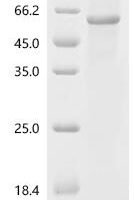
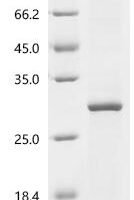
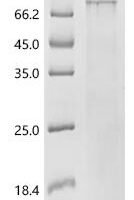
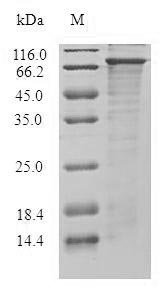
Recombinant Human Diacylglycerol kinase epsilon (DGKE) Protein is a recombinant protein from Homo sapiens (Human), expressed in in vitro E.coli expression system, covering amino acids 1-567aa, with N-terminal 10xHis-SUMO-tagged and C-terminal Myc-tagged tag, molecular weight 83.9kDa, purity Greater than 85% as determined by SDS-PAGE.. Suitable for ELISA and Western Blot applications. Explore more Kinase proteins →