Function
Catalyzes the hydrolysis of nucleoside triphosphates (NTPs) and diphosphates (NDPs) (Probable). The enzyme sequentially removes phosphate groups in two successive steps, converting NTPs to nucleoside monophosphates (NMPs) via NDP intermediates (Probable). This activity contributes to the regulation of extracellular levels of nucleotides (Probable).
Biological Context
Subcellular Location: Membrane (Multi-pass membrane protein); Membrane, caveola
Tissue Specificity: Expressed primarily on activated lymphoid cells. Also expressed in endothelial tissues. Highly expressed in placenta, lung, skeletal muscle, kidney
Disease Association: Spastic paraplegia 64, autosomal recessive (SPG64) : A form of spastic paraplegia, a neurodegenerative disorder characterized by a slow, gradual, progressive weakness and spasticity of the lower limbs. Rate of progression and the severity of symptoms are quite variable. Initial symptoms may include difficulty with balance, weakness and stiffness in the legs, muscle spasms, and dragging the toes when walking. In some forms of the disorder, bladder symptoms (such as incontinence) may appear, or the weakness and stiffness may spread to other parts of the body. [The disease is caused by variants affecting the gene represented in this entry]
Product Specifications
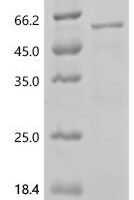
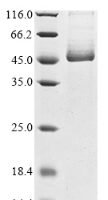
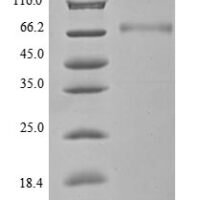
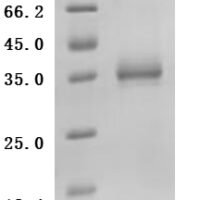
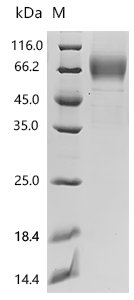
Recombinant Human Ectonucleoside triphosphate diphosphohydrolase 1 (ENTPD1),partial (Active) is a recombinant protein from Homo sapiens (Human), expressed in Mammalian cell, covering amino acids 38-478aa, with C-terminal 10xHis-tagged tag, molecular weight 53.0 kDa, purity Greater than 90% as determined by SDS-PAGE.. Suitable for ELISA and Western Blot applications. Explore more Enzyme proteins →