Function
Receptor for the C-X3-C chemokine fractalkine (CX3CL1) present on many early leukocyte cells; CX3CR1-CX3CL1 signaling exerts distinct functions in different tissue compartments, such as immune response, inflammation, cell adhesion and chemotaxis. CX3CR1-CX3CL1 signaling mediates cell migratory functions. Responsible for the recruitment of natural killer (NK) cells to inflamed tissues.
Biological Context
Subcellular Location: Cell membrane (Multi-pass membrane protein)
Tissue Specificity: Specifically expressed in subsets of leukocytes: expressed in monocytes, subsets of T-cells and natural killer (NK) cells in the circulation, dendritic cells, as well as in microglia in the central nervous system (CNS). Expression level subdivides blood monocytes into two major functional subsets; CD14(+)CD16(-)-CX3CR1(low) inflammatory monocytes and CD14(low)CD16(+)CX3CR1(high) homeostatic monocytes. Expressed in myeloid-derived mucosal dendritic cells, which populate the entire lamina propria of the small intestine
Product Specifications
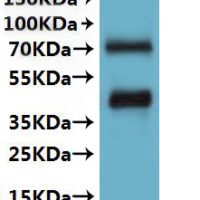
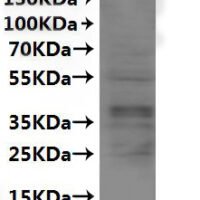
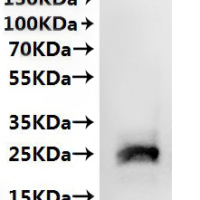
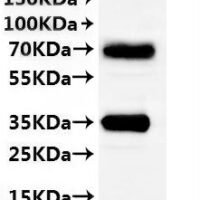
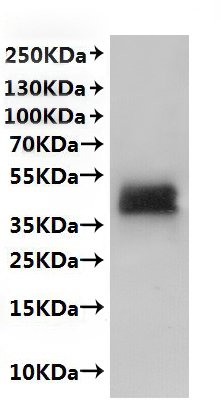
Recombinant Mouse CX3C chemokine receptor 1 (Cx3cr1)-VLPs Protein is a recombinant protein from Mus musculus (Mouse), expressed in Mammalian cell, covering amino acids 1-354aa, with C-terminal 10xHis-tagged tag, molecular weight 41.6kDa, purity VLPs. Suitable for ELISA and Western Blot applications. Explore more Chemokine proteins →