Mouse anti-Human/Mouse/Rat ATG5 Monoclonal Antibody

Mouse anti-Human/Mouse/Rat ATG5 Monoclonal Antibody — (Microbial infection) May act as a proviral factor.

SKU: BCREC-000647MA Category:

Product Specifications

Uniprot No.Q9H1Y0
Target NamesATG5
Species ReactivityMouse
ImmunogenRecombinant Protein
Immunogen SpeciesHomo sapiens (Human)
ConjugateNon-conjugated
ClonalityMonoclonal
ApplicationsELISA,WB,IHC
BufferPBS, 50% glycerol, 0.05% Proclin 300, 0.05%BSA
StorageUpon receipt, store at -20°C or -80°C. Avoid repeated freeze.

Function

(Microbial infection) May act as a proviral factor. In association with ATG12, negatively regulates the innate antiviral immune response by impairing the type I IFN production pathway upon vesicular stomatitis virus (VSV) infection. Required for the translation of incoming hepatitis C virus (HCV) RNA and, thereby, for initiation of HCV replication, but not required once infection is established.

Biological Context

Subcellular Location: Cytoplasm; Preautophagosomal structure membrane (Peripheral membrane protein)
Tissue Specificity: Ubiquitous. The mRNA is present at similar levels in viable and apoptotic cells, whereas the protein is dramatically highly expressed in apoptotic cells
Disease Association: Spinocerebellar ataxia, autosomal recessive, 25 (SCAR25) : A form of spinocerebellar ataxia, a clinically and genetically heterogeneous group of cerebellar disorders due to degeneration of the cerebellum with variable involvement of the brainstem and spinal cord. SCAR25 patients manifest delayed psychomotor development with delayed walking, truncal ataxia, dysmetria, and nystagmus, Cerebellar hypoplasia is seen on brain imaging. [The disease is caused by variants affecting the gene represented in this entry]

Product Specifications

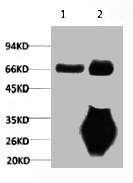
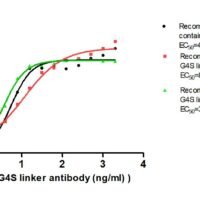
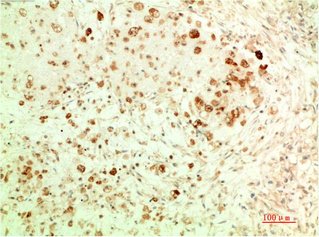
Mouse anti-Human/Mouse/Rat ATG5 Monoclonal Antibody is a recombinant protein. Suitable for ELISA and Western Blot applications.

Catalog number: BCREC-000647MA.

Applications: ELISA,WB,IHC

Biological Activity: Not implied unless activity data are explicitly listed on this product page, the datasheet, or the CoA.

Storage: Upon receipt, store at -20°C or -80°C. Avoid repeated freeze.

Shipping & Lead Time: Availability, shipping conditions, and estimated lead time are confirmed in the formal quotation or order confirmation based on the product format, destination, and order requirements.

Protein Biology

Function

(Microbial infection) May act as a proviral factor. In association with ATG12, negatively regulates the innate antiviral immune response by impairing the type I IFN production pathway upon vesicular stomatitis virus (VSV) infection (PubMed:17709747). Required for the translation of incoming hepatitis C virus (HCV) RNA and, thereby, for initiation of HCV replication, but not required once infection is established (PubMed:19666601)

Subcellular Location

Cytoplasm; Preautophagosomal structure membrane (Peripheral membrane protein)

Disease Association

Spinocerebellar ataxia, autosomal recessive, 25 (SCAR25) : A form of spinocerebellar ataxia, a clinically and genetically heterogeneous group of cerebellar disorders due to degeneration of the cerebellum with variable involvement of the brainstem and spinal cord. SCAR25 patients manifest delayed psychomotor development with delayed walking, truncal ataxia, dysmetria, and nystagmus, Cerebellar hypoplasia is seen on brain imaging. [The disease is caused by variants affecting the gene represented in this entry]

Tissue Specificity

Ubiquitous. The mRNA is present at similar levels in viable and apoptotic cells, whereas the protein is dramatically highly expressed in apoptotic cells

Subunit

(Microbial infection) Interacts with S.flexneri IcsA; bacterial IcsB inhibits this interaction

Gene: ATG5  |  Organism: Homo sapiens  |  Synonyms: APG5-like; Apoptosis-specific protein
Key Publications

Frequently Asked Questions

How do I order or inquire about this product?

Submit the Online Inquiry form with your required quantity and specifications, or email sales@biocrestsci.com. Available sizes, pricing, stock status, documentation, and estimated lead time are confirmed in the formal quotation.

What is the shipping and delivery time?

Availability, dispatch timing, shipping conditions, and delivery estimates depend on the product format, destination, and order requirements. These details are confirmed in the formal quotation or order confirmation.

How should this product be stored?

Follow the storage and handling instructions in the product-specific datasheet and Certificate of Analysis (CoA). Requirements may vary by product form and formulation; contact BioCrest Sci if product-specific guidance is needed.

What quality controls are performed on your products?

Quality-control data such as identity, purity, endotoxin level, or biological activity are provided only when specified on this product page, the datasheet, or Certificate of Analysis (CoA). Biological activity is not implied unless explicitly stated.

Shopping Cart
Scroll to Top