

Function
A cytochrome P450 monooxygenase involved in the metabolism of endogenous oxysterols and steroid hormones, including neurosteroids. Mechanistically, uses molecular oxygen inserting one oxygen atom into a substrate, and reducing the second into a water molecule, with two electrons provided by NADPH via cytochrome P450 reductase (CPR; NADPH-ferrihemoprotein reductase). Catalyzes the hydroxylation of carbon hydrogen bonds of steroids with a preference for 7-alpha position.
Biological Context
Subcellular Location: Endoplasmic reticulum membrane (Multi-pass membrane protein); Microsome membrane (Multi-pass membrane protein)
Tissue Specificity: Widely expressed. Expressed in brain, testis, ovary, prostate, liver, colon, kidney, small intestine, thymus and spleen
Disease Association: Spastic paraplegia 5A, autosomal recessive (SPG5A) : A form of spastic paraplegia, a neurodegenerative disorder characterized by a slow, gradual, progressive weakness and spasticity of the lower limbs. Rate of progression and the severity of symptoms are quite variable. Initial symptoms may include difficulty with balance, weakness and stiffness in the legs, muscle spasms, and dragging the toes when walking. In some forms of the disorder, bladder symptoms (such as incontinence) may appear, or the weakness and stiffness may spread to other parts of the body. [The disease is caused by variants affecting the gene represented in this entry] | Congenital bile acid synthesis defect 3 (CBAS3) : A disorder resulting in severe cholestasis, cirrhosis and liver synthetic failure. Hepatic microsomal oxysterol 7-alpha-hydroxylase activity is undetectable. [The disease is caused by variants affecting the gene represented in this entry]
Pathway: Steroid hormone biosynthesis
Product Specifications
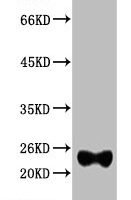
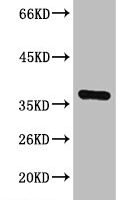
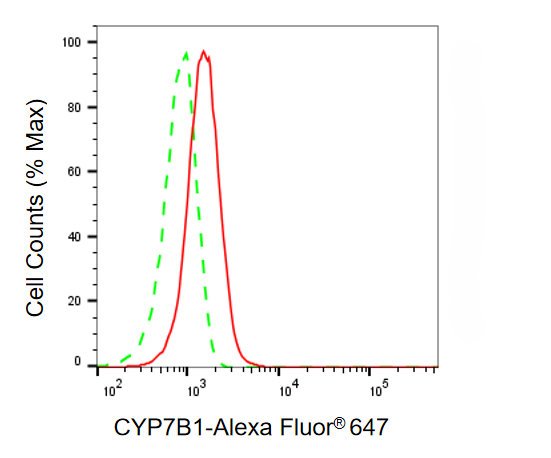
Mouse anti-Human/Mouse/Rat sapiens (Human) CYP7B1 Monoclonal Antibody is a recombinant protein. Suitable for ELISA and Western Blot applications. Explore more Antibody products →