
Function
Thyroid hormone-binding protein. Probably transports thyroxine from the bloodstream to the brain.
Biological Context
Subcellular Location: Secreted; Cytoplasm
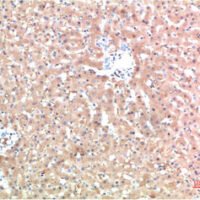
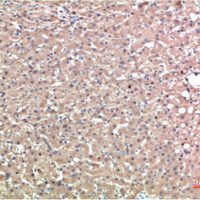
Tissue Specificity: Detected in serum and cerebrospinal fluid (at protein level). Highly expressed in choroid plexus epithelial cells. Detected in retina pigment epithelium and liver
Disease Association: Amyloidosis, hereditary systemic 1 (AMYLD1) : A form of hereditary systemic amyloidosis, a disorder characterized by amyloid deposition in multiple tissues resulting in a wide clinical spectrum. AMYLD1 is an autosomal dominant form due to transthyretin amyloid deposition. Protein fibrils can form in different tissues leading to amyloid polyneuropathies, amyloidotic cardiomyopathy, carpal tunnel syndrome, systemic senile amyloidosis. The disease includes leptomeningeal amyloidosis that is characterized by primary involvement of the central nervous system. Neuropathologic examination shows amyloid in the walls of leptomeningeal vessels, in pia arachnoid, and subpial deposits. Some patients also develop vitreous amyloid deposition that leads to visual impairment (oculoleptomeningeal amyloidosis). Clinical features include seizures, stroke-like episodes, dementia, psychomotor deterioration, variable amyloid deposition in the vitreous humor. [The disease is caused by variants affecting the gene represented in this entry] | Hyperthyroxinemia, dystransthyretinemic (DTTRH) : A condition characterized by elevation of total and free thyroxine in healthy, euthyroid persons without detectable binding protein abnormalities. [The disease is caused by variants affecting the gene represented in this entry] | Carpal tunnel syndrome 1 (CTS1) : A condition characterized by entrapment of the median nerve within the carpal tunnel. Symptoms include burning pain and paresthesias involving the ventral surface of the hand and fingers which may radiate proximally. Impairment of sensation in the distribution of the median nerve and thenar muscle atrophy may occur. This condition may be associated with repetitive occupational trauma, wrist injuries, amyloid neuropathies, rheumatoid arthritis. [The disease is caused by variants affecting the gene represented in this entry]
Product Specifications
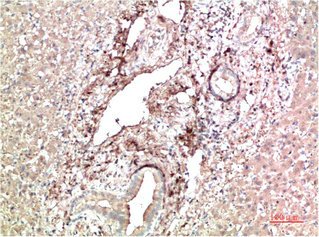
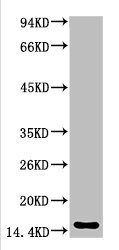
Mouse anti-Human TTR Monoclonal Antibody is a recombinant protein. Suitable for ELISA and Western Blot applications. Explore more Antibody products →
Catalog number: BCREC-000796MA.