Function
Functions in L-arginine homeostasis in nonhepatic tissues characterized by the competition between nitric oxide synthase (NOS) and arginase for the available intracellular substrate arginine. Arginine metabolism is a critical regulator of innate and adaptive immune responses. Involved in an antimicrobial effector pathway in polymorphonuclear granulocytes (PMN).
Biological Context
Subcellular Location: Cytoplasm; Cytoplasmic granule
Tissue Specificity: Within the immune system initially reported to be selectively expressed in granulocytes (polymorphonuclear leukocytes [PMNs]). Also detected in macrophages mycobacterial granulomas. Expressed in group2 innate lymphoid cells (ILC2s) during lung disease
Disease Association: Argininemia (ARGIN) : A rare autosomal recessive disorder of the urea cycle. Arginine is elevated in the blood and cerebrospinal fluid, and periodic hyperammonemia occurs. Clinical manifestations include developmental delay, seizures, intellectual disability, hypotonia, ataxia and progressive spastic quadriplegia. [The disease is caused by variants affecting the gene represented in this entry]
Pathway: Nitrogen metabolism; urea cycle; L-ornithine and urea from L-arginine: step 1/1
Product Specifications
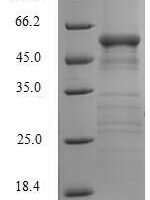
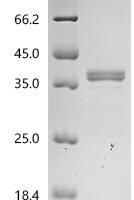
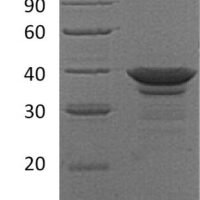
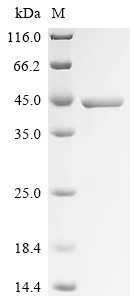
Recombinant Human Arginase-1 (ARG1) is a recombinant protein from Homo sapiens (Human), expressed in E.coli, covering amino acids 1-322aa, with N-terminal 6xHis-tagged tag, molecular weight 41.6kDa, purity Greater than 95% as determined by SDS-PAGE.. Suitable for ELISA and Western Blot applications.