Function
Antagonizes the function of BMP4 by binding to it and preventing its interaction with receptors. Alters the fate commitment of neural stem cells from gliogenesis to neurogenesis. Contributes to neuronal differentiation of neural stem cells in the brain by preventing the adoption of a glial fate.
Biological Context
Subcellular Location: Secreted
Tissue Specificity: Expressed in the developing cornea and in the eye anterior segment in addition to the retina. Differentially expressed in the fetal brain. There is high expression in cerebellum and neocortex. Expressed in retinal pericytes
Disease Association: Megalocornea 1, X-linked (MGC1) : An eye disorder in which the corneal diameter is bilaterally enlarged (greater than 13 mm) without an increase in intraocular pressure. It may also be referred to as anterior megalophthalmos, since the entire anterior segment is larger than normal. Features of megalocornea in addition to a deep anterior chamber include astigmatic refractive errors, atrophy of the iris stroma, miosis secondary to decreased function of the dilator muscle, iridodonesis, and tremulousness, subluxation, or dislocation of the lens. Whereas most affected individuals exhibit normal ocular function, complications include cataract development and glaucoma following lenticular dislocation or subluxation. [The disease is caused by variants affecting the gene represented in this entry]
Product Specifications
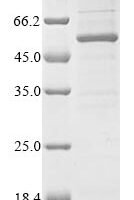
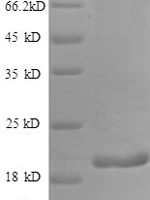
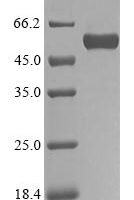
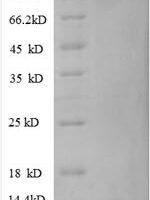
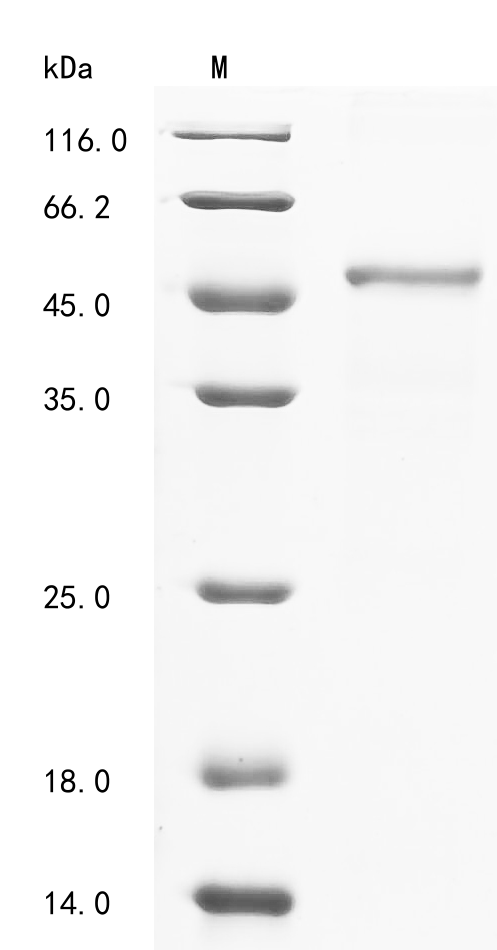
Recombinant Human Chordin-like protein 1 (CHRDL1), partial is a recombinant protein from Homo sapiens (Human), expressed in E.coli, covering amino acids 92-237aa, with N-terminal 10xHis-GST-tagged and C-terminal Myc-tagged tag, molecular weight 74.2kDa, purity Greater than 90% as determined by SDS-PAGE.. Suitable for ELISA and Western Blot applications.