Function
Mediator of local inflammatory process released following cleavage by C5 convertase. Acts by binding to its receptor (C5AR1 or C5AR2), activating G protein-coupled receptor signaling and inducing a variety of responses including intracellular calcium release, contraction of smooth muscle, increased vascular permeability, and histamine release from mast cells and basophilic leukocytes. C5a is also a potent chemokine which stimulates the locomotion of polymorphonuclear leukocytes and directs their migration toward sites of inflammation.
Biological Context
Subcellular Location: Secreted
Disease Association: Complement component 5 deficiency (C5D) : A rare defect of the complement classical pathway associated with susceptibility to severe recurrent infections, predominantly by Neisseria gonorrhoeae or Neisseria meningitidis. [The disease is caused by variants affecting the gene represented in this entry] | [An association study of C5 haplotypes and genotypes in individuals with chronic hepatitis C virus infection shows that individuals homozygous for the C5_1 haplotype have a significantly higher stage of liver fibrosis than individuals carrying at least 1 other allele]
Product Specifications
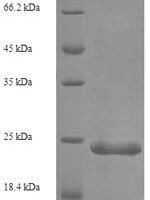
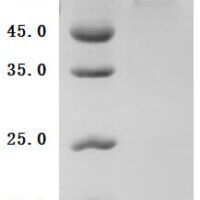
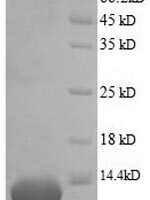
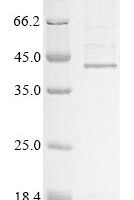
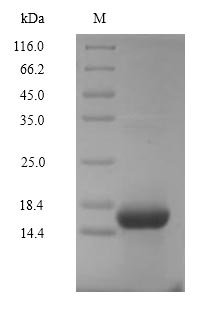
Recombinant Human Complement C5 (C5), partial is a recombinant protein from Homo sapiens (Human), expressed in Mammalian cell, covering amino acids 678-751aa, with N-terminal 6xHis-Myc-tagged tag, molecular weight 12.3kDa, purity Greater than 90% as determined by SDS-PAGE.. Suitable for ELISA and Western Blot applications.