Function
Heterotrimeric guanine nucleotide-binding proteins (G proteins) function as transducers downstream of G protein-coupled receptors (GPCRs) in numerous signaling cascades. The alpha chain contains the guanine nucleotide binding site and alternates between an active, GTP-bound state and an inactive, GDP-bound state. Signaling by an activated GPCR promotes GDP release and GTP binding.
Biological Context
Subcellular Location: Cytoplasm; Cell membrane (Lipid-anchor); Cytoplasm, cytoskeleton, microtubule organizing center, centrosome
Disease Association: Auriculocondylar syndrome 1 (ARCND1) : An autosomal dominant form of auriculocondylar syndrome, a craniofacial malformation syndrome characterized by variable mandibular anomalies, including mild to severe micrognathia, temporomandibular joint ankylosis, cleft palate, and a characteristic ear malformation that consists of separation of the lobule from the external ear, giving the appearance of a question mark (question-mark ear). Other frequently described features include prominent cheeks, cupped and posteriorly rotated ears, preauricular tags, and microstomia. Glossoptosis, masticatory abnormalities, orthodontic problems, and malocclusion occur in a majority of affected subjects. [The disease is caused by variants affecting the gene represented in this entry]
Product Specifications
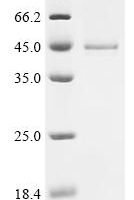
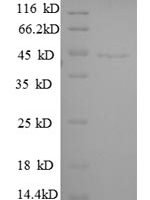
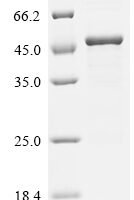
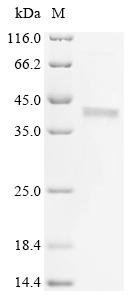
Recombinant Human Guanine nucleotide-binding protein G (i) subunit alpha-3 (GNAI3) is a recombinant protein from Homo sapiens (Human), expressed in Yeast, covering amino acids 2-354aa, with C-terminal 6xHis-tagged tag, molecular weight 41.4kDa, purity Greater than 90% as determined by SDS-PAGE.. Suitable for ELISA and Western Blot applications.