Function
Inhibits the activity of interleukin-36 (IL36A,IL36B and IL36G) by binding to receptor IL1RL2 and preventing its association with the coreceptor IL1RAP for signaling. Part of the IL-36 signaling system that is thought to be present in epithelial barriers and to take part in local inflammatory response; similar to the IL-1 system with which it shares the coreceptor. Proposed to play a role in skin inflammation.
Biological Context
Subcellular Location: Cytoplasm; Secreted
Tissue Specificity: Predominantly expressed in skin keratinocytes but not in fibroblasts, endothelial cells or melanocytes. Detected also in the spleen, brain leukocyte and macrophage cell types. Increased in lesional psoriasis skin
Disease Association: Psoriasis 14, pustular (PSORS14) : A life-threatening disease defined by repeated flares of sudden onset consisting of diffuse erythematous skin eruption characterized by rapid coverage with pustules, high-grade fever, asthenia, marked leukocytosis, and elevated serum levels of C-reactive protein. [The disease is caused by variants affecting the gene represented in this entry]
Product Specifications
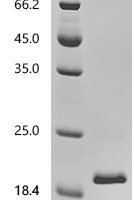
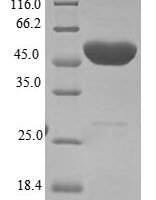
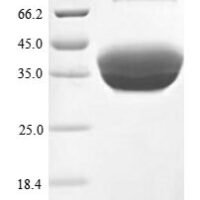
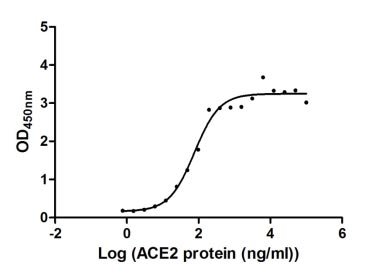
Recombinant Human Interleukin-36 receptor antagonist protein (IL36RN) is a recombinant protein from Homo sapiens (Human), expressed in E.Coli, covering amino acids 2-155aa, with Tag-Free tag, molecular weight 16.8 kDa, purity >95% as determined by SDS-PAGE.. Suitable for ELISA and Western Blot applications. Explore more Interleukin proteins →