Function
Functions as a coreceptor for the B-cell antigen receptor complex (BCR) on B-lymphocytes. Decreases the threshold for activation of downstream signaling pathways and for triggering B-cell responses to antigens. Activates signaling pathways that lead to the activation of phosphatidylinositol 3-kinase and the mobilization of intracellular Ca(2+) stores.
Biological Context
Subcellular Location: Cell membrane (Single-pass type I membrane protein); Membrane raft (Single-pass type I membrane protein)
Tissue Specificity: Detected on marginal zone and germinal center B cells in lymph nodes. Detected on blood B cells (at protein level)
Disease Association: Immunodeficiency, common variable, 3 (CVID3) : A primary immunodeficiency characterized by antibody deficiency, hypogammaglobulinemia, recurrent bacterial infections and an inability to mount an antibody response to antigen. The defect results from a failure of B-cell differentiation and impaired secretion of immunoglobulins; the numbers of circulating B-cells is usually in the normal range, but can be low. [The disease is caused by variants affecting the gene represented in this entry]
Product Specifications
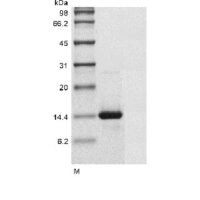
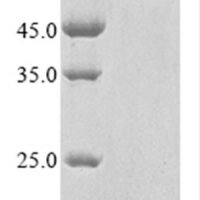
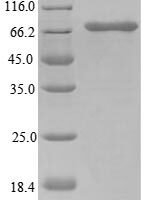
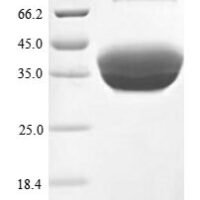
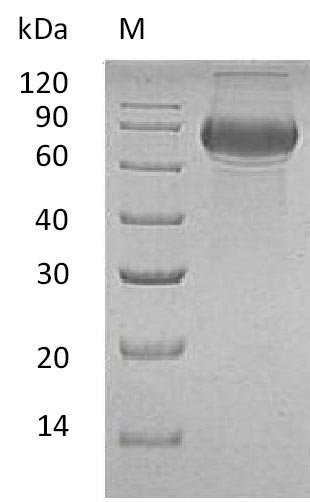
Recombinant Human B-lymphocyte antigen CD19 (CD19), partial (Active) is a recombinant protein from Homo sapiens (Human), expressed in Mammalian cell, covering amino acids 20-291aa, with C-terminal hFc-tagged tag, molecular weight 57.3 kDa, purity Greater than 95% as determined by SDS-PAGE.. Suitable for ELISA and Western Blot applications. Explore more CD proteins →