Function
Can alternatively catalyze the transfer (transphosphatidylation) of a glycerol group between (S,R)-lysophosphatidylglycerol (LPG) and monoacylglycerol (MAG). The reaction is characterized by an R-to-S stereo-inversion which is essential for the resistance of the produced (S,S)-bis(monoacylglycero)phosphates (BMPs) to lysosomal degradation. The resulting BMPs, are phospholipids required for the formation of lysosomal intralumenal vesicles (ILVs) where lipid degradation can occur.
Biological Context
Subcellular Location: Lysosome lumen; Early endosome membrane (Single-pass type II membrane protein); Late endosome membrane (Single-pass type II membrane protein); Endosome membrane (Single-pass type II membrane protein); Endoplasmic reticulum membrane (Single-pass type II membrane protein); Golgi apparatus membrane (Single-pass type II membrane protein)
Tissue Specificity: Expressed at higher level in brain than in non-nervous tissue. Expressed in mature neurons of the forebrain and appears to be turned on at late stages of neurogenesis. Expressed during late neuronal development in the forebrain. Expressed in the pyramidal neurons of the cortex and hippocampus. Low expression in the cerebellum
Product Specifications
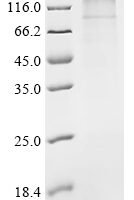
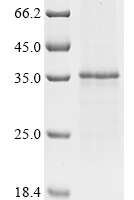
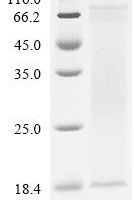
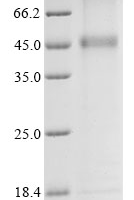
Recombinant Mouse 5'-3' exonuclease PLD3 (Pld3) Protein is a recombinant protein from Mus musculus (Mouse), expressed in in vitro E.coli expression system, covering amino acids 1-488aa, with N-terminal 10xHis-tagged tag, molecular weight 58.2kDa, purity Greater than 85% as determined by SDS-PAGE.. Suitable for ELISA and Western Blot applications.