Function
Apolipoprotein B is a major protein constituent of chylomicrons (apo B-48), LDL (apo B-100) and VLDL (apo B-100). Apo B-100 functions as a recognition signal for the cellular binding and internalization of LDL particles by the apoB/E receptor.
Biological Context
Subcellular Location: Cytoplasm; Secreted; Lipid droplet
Disease Association: Hypobetalipoproteinemia, familial, 1 (FHBL1) : A disorder of lipid metabolism characterized by less than 5th percentile age- and sex-specific levels of low density lipoproteins, and dietary fat malabsorption. Clinical presentation may vary from no symptoms to severe gastrointestinal and neurological dysfunction similar to abetalipoproteinemia. [The disease is caused by variants affecting the gene represented in this entry. Most cases of FHBL1 result from nonsense mutations in the APOB gene that lead to a premature stop codon, which generate prematurely truncated apo B protein products ] | Hypercholesterolemia, familial, 2 (FHCL2) : A form of hypercholesterolemia, a disorder of lipoprotein metabolism characterized by elevated serum low-density lipoprotein (LDL) cholesterol levels, which result in excess deposition of cholesterol in tissues and leads to xanthelasma, xanthomas, accelerated atherosclerosis and increased risk of premature coronary heart disease. FHCL2 inheritance is autosomal dominant. [The disease is caused by variants affecting the gene represented in this entry] | [Defects in APOB associated with defects in other genes (polygenic) can contribute to hypocholesterolemia]
Product Specifications
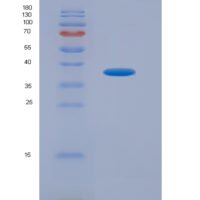
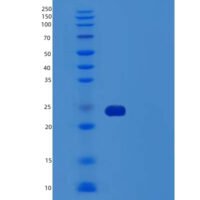
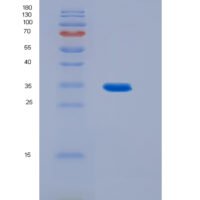
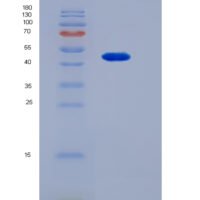
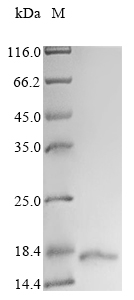
Recombinant Human Apolipoprotein B-100 (APOB), partial is a recombinant protein from Homo sapiens (Human), expressed in E.coli, covering amino acids 28-127aa, with N-terminal 10xHis-tagged tag, molecular weight 14.7kDa, purity Greater than 85% as determined by SDS-PAGE.. Suitable for ELISA and Western Blot applications.