Function
Reversibly inhibits the activity of ATP2A2/SERCA2 in cardiac sarcoplasmic reticulum by decreasing the apparent affinity of the ATPase for Ca(2+). Binds preferentially to the ATP-bound E1 conformational form of ATP2A2 which predominates at low Ca(2+) concentrations during the diastolic phase of the cardiac cycle. Inhibits ATP2A2 Ca(2+) affinity by disrupting its allosteric activation by ATP.
Biological Context
Subcellular Location: Endoplasmic reticulum membrane (Single-pass membrane protein); Sarcoplasmic reticulum membrane (Single-pass membrane protein); Mitochondrion membrane (Single-pass membrane protein); Membrane (Single-pass membrane protein)
Tissue Specificity: Heart muscle (at protein level)
Disease Association: Cardiomyopathy, dilated, 1P (CMD1P) : A disorder characterized by ventricular dilation and impaired systolic function, resulting in congestive heart failure and arrhythmia. Patients are at risk of premature death. [The disease is caused by variants affecting the gene represented in this entry] | Cardiomyopathy, familial hypertrophic, 18 (CMH18) : A hereditary heart disorder characterized by ventricular hypertrophy, which is usually asymmetric and often involves the interventricular septum. The symptoms include dyspnea, syncope, collapse, palpitations, and chest pain. They can be readily provoked by exercise. The disorder has inter- and intrafamilial variability ranging from benign to malignant forms with high risk of cardiac failure and sudden cardiac death. [The disease is caused by variants affecting the gene represented in this entry]
Product Specifications
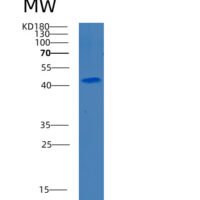
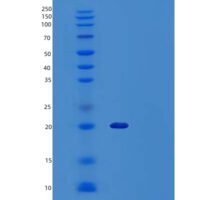
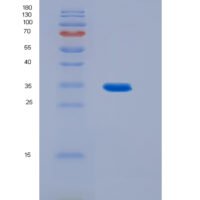
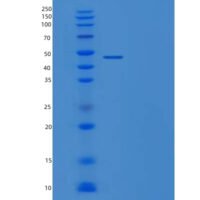
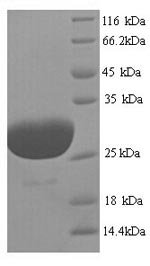
Recombinant Human Phospholamban (PLN) is a recombinant protein from Homo sapiens (Human), expressed in Yeast, covering amino acids 1-52aa, with N-terminal GST-tagged tag, molecular weight 33.1kDa, purity Greater than 90% as determined by SDS-PAGE.. Suitable for ELISA and Western Blot applications.