Recombinant Human SPARC protein (SPARC)

Recombinant Human SPARC protein (SPARC) — Appears to regulate cell growth through interactions with the extracellular matrix and cytokines. Purity >95%.

SKU: BCACP-000860 Category:
Product SKUBCACP-000860
Product DescriptionRecombinant Human SPARC protein (SPARC) protein is expressed from E.Coli with N-terminal 6xHis-tagged. It contains 18-303aa. [Accession | P09486].
Uniprot No.P09486
Gene NamesSPARC
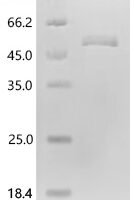
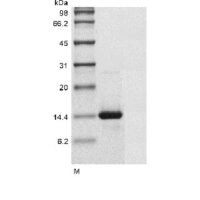
Purity>95% as determined by SDS-PAGE.
Expression SystemE.Coli
Expression Region18-303aa
SpeciesHomo sapiens (Human)
Tag InfoN-terminal 6xHis-tagged
Molecular weight36.1 kDa
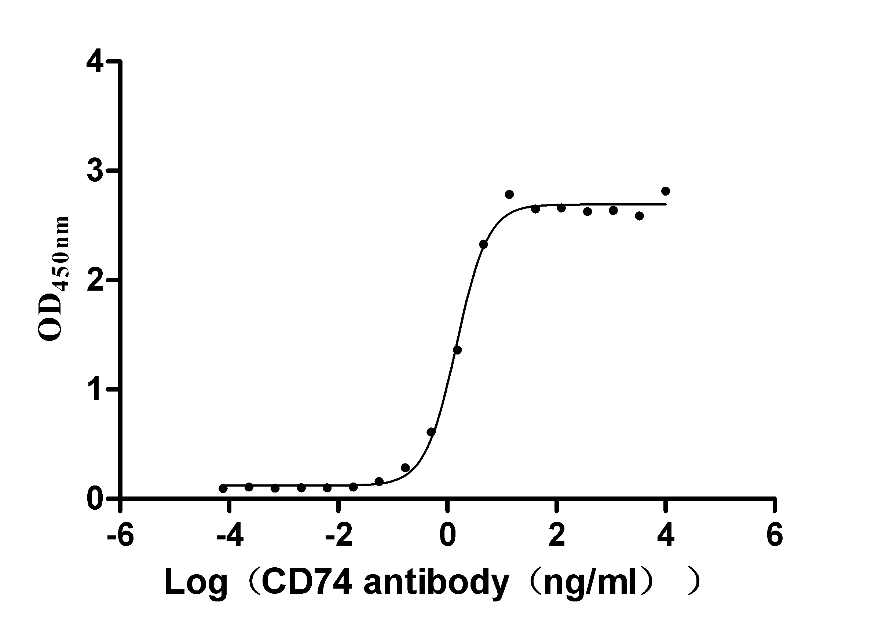
ActivityFully biologically active when compared to standard. The ED50 as determined by a chemotaxis bioassay using human MCF-7 cells is less than 10 ng/ml, corresponding to a specific activity of >1.0x10⁵ IU/mg.
BufferLyophilized from a 0.2 μm filtered 20 mM Tris-HCl, 0.5 M NaCl, 6% Trehalose, pH 8.0
StorageStore at -20°C/-80°C upon receipt, aliquoting is necessary for mutiple use. Avoid repeated freeze-thaw cycles.
Alternative NamesAA517111; Basement membrane protein 40; Basement-membrane protein 40; BM 40; BM-40; BM40; Cysteine rich protein; hm:zeh0062; MGC128090; OI17; ON; Osteonectin; Secreted acidic cystein rich glycoprotein; Secreted protein acidic and cysteine rich; Secreted protein acidic and rich in cysteine; Secreted protein acidic cysteine rich (osteonectin); Secreted protein acidic cysteine rich; SPARC; SPRC; SPRC_HUMAN

Function

Appears to regulate cell growth through interactions with the extracellular matrix and cytokines. Binds calcium and copper, several types of collagen, albumin, thrombospondin, PDGF and cell membranes. There are two calcium binding sites; an acidic domain that binds 5 to 8 Ca(2+) with a low affinity and an EF-hand loop that binds a Ca(2+) ion with a high affinity.

Biological Context

Subcellular Location: Secreted, extracellular space, extracellular matrix, basement membrane
Disease Association: Osteogenesis imperfecta 17 (OI17) : An autosomal recessive form of osteogenesis imperfecta, a disorder of bone formation characterized by low bone mass, bone fragility and susceptibility to fractures after minimal trauma. Disease severity ranges from very mild forms without fractures to intrauterine fractures and perinatal lethality. Extraskeletal manifestations, which affect a variable number of patients, are dentinogenesis imperfecta, hearing loss, and blue sclerae. [The disease is caused by variants affecting the gene represented in this entry]

Product Specifications

Recombinant Human SPARC protein (SPARC) is a recombinant protein from Homo sapiens (Human), expressed in E.Coli, covering amino acids 18-303aa, with N-terminal 6xHis-tagged tag, molecular weight 36.1 kDa, purity >95% as determined by SDS-PAGE.. Suitable for ELISA and Western Blot applications.
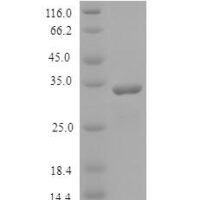
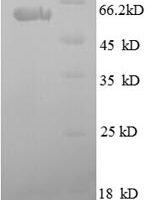
SDS-PAGE: Single band at expected molecular weight confirming purity.

ELISA: Suitable as coating antigen or detection standard.

Western Blot: Compatible with standard Western Blot protocols.

Protein Interaction: Validated for SPR (Surface Plasmon Resonance) and BLI (Bio-Layer Interferometry) studies.

Shipping: Shipped at ambient temperature. Lyophilized protein is stable during transit.

Storage: Store lyophilized protein at -20°C to -80°C. Reconstituted protein should be aliquoted and stored at -80°C. Avoid repeated freeze-thaw cycles.

Shelf Life: 12 months from date of receipt when stored as recommended.

Shipping Time: Orders placed before 2 PM EST ship same day. International orders typically deliver within 5-10 business days.

Protein Biology

Function

Appears to regulate cell growth through interactions with the extracellular matrix and cytokines. Binds calcium and copper, several types of collagen, albumin, thrombospondin, PDGF and cell membranes. There are two calcium binding sites; an acidic domain that binds 5 to 8 Ca(2+) with a low affinity and an EF-hand loop that binds a Ca(2+) ion with a high affinity

Subcellular Location

Secreted, extracellular space, extracellular matrix, basement membrane

Disease Association

Osteogenesis imperfecta 17 (OI17) : An autosomal recessive form of osteogenesis imperfecta, a disorder of bone formation characterized by low bone mass, bone fragility and susceptibility to fractures after minimal trauma. Disease severity ranges from very mild forms without fractures to intrauterine fractures and perinatal lethality. Extraskeletal manifestations, which affect a variable number of patients, are dentinogenesis imperfecta, hearing loss, and blue sclerae. [The disease is caused by variants affecting the gene represented in this entry]

Gene: SPARC  |  Organism: Homo sapiens  |  Synonyms: Basement-membrane protein 40; Osteonectin; Secreted protein acidic and rich in cysteine
Key Publications

Frequently Asked Questions

How do I order or inquire about this product?

Fill out the Online Inquiry form with your required quantity and specifications. You can also email sales@biocrestsci.com. Our team typically responds within 4 business hours with a quote and availability confirmation.

What is the shipping and delivery time?

Orders placed before 2 PM EST ship the same day. Domestic (US) delivery typically takes 2-3 business days. International orders deliver within 5-10 business days. All products are shipped at ambient temperature with appropriate packaging to ensure stability.

How should I store this recombinant protein?

Lyophilized proteins should be stored at -20°C to -80°C upon receipt. After reconstitution, aliquot and store at -80°C. Avoid repeated freeze-thaw cycles. Shelf life is 12 months from date of receipt when stored as recommended.

What quality controls are performed on your products?

Each product undergoes SDS-PAGE purity analysis (typically >85-95%), endotoxin testing, and bioactivity validation. Products are validated for ELISA, Western Blot, and SPR/BLI applications as specified on this product page. A Certificate of Analysis (CoA) is available upon request.

Shopping Cart
Scroll to Top